Fta Logo 01 5b4f88e96d480
Federal Transit Administration (FTA)
Washington, DC 20590
More Info on Federal Transit Administration (FTA)
Fta Logo 01 5b4f88e96d480The Federal Transit Administration (FTA) provides financial and technical assistance to local public transit systems, including buses, subways, light rail, commuter rail, trolleys and ferries. FTA also oversees safety measures and helps develop next-generation technology research.
Transit services supported by FTA span many groups and provide wide-ranging benefits. Since 1964, FTA has partnered with state and local governments to create and enhance public transportation systems, investing more than $10 billion annually to support and expand public rail, bus, trolley, ferry and other transit services. That investment has helped modernize public transportation and extended service into small cities and rural communities that previously lacked transit options.
An agency within the U.S. Department of Transportation (DOT), FTA is headed by an administrator appointed by the President of the United States. FTA is one of DOT’s 10 modes of transportation and is run by a headquarters in Washington, D.C. as well as 10 regional offices that assist transit agencies in all states and U.S. territories.
Press Releases
 screenshot_20250804_at_9
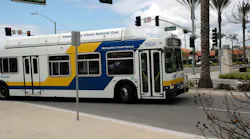 Compressed Natural Gas Powered Bus in Chula Vista California
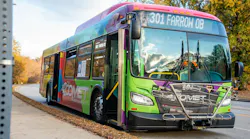
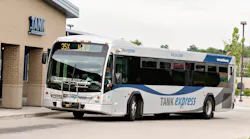 A Transit Authority of Northern Kentucky Express bus.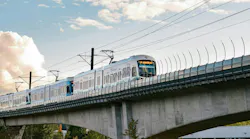
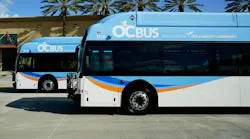

Videos
 marianne_stock
Blogs










News
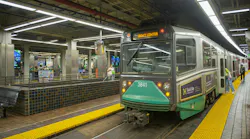
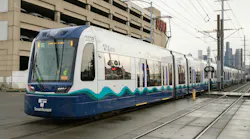 A Sound Transit Link light-rail vehicle, car 282B, travels on tracks past the SODO neighborhood in Seattle, with the city skyline visible in the background.
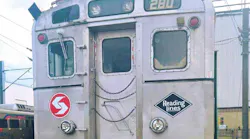 A close-up of the rear end of a retired SEPTA Silverliner commuter rail car number 280, showing the original SEPTA logo and a Reading Lines diamond emblem on its stainless steel exterior, with chain-secured doors and a newer SEPTA train visible in the background at a rail yard.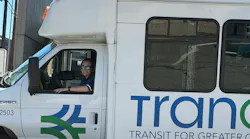
 An architectural rendering of the south exterior of Mountain Line's new transit facility, depicting a modern two-story building with stone and panel cladding, large windows, a wood-toned canopy and the Mountain Line logo above the entrance, with landscaped grounds and a cyclist in the foreground under a blue sky.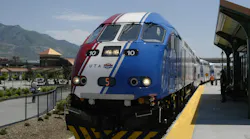
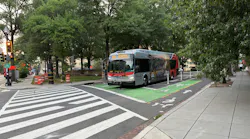

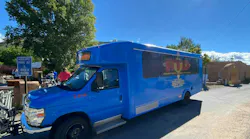
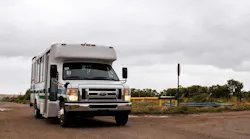 A transit van in a rural area.
Articles

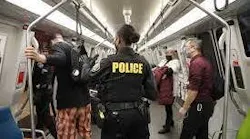
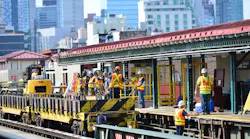
Additional content from Federal Transit Administration (FTA)
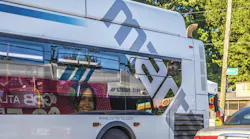
 Flagler County Public Transportation buses.
 The official FIFA World Cup 2026 logo featuring trophy and '26' design.
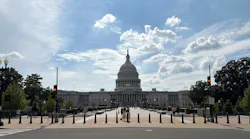
 The image shows an off-angle shot of the the U.S. Capitol building.
 CATS light-rail train in Charlotte, NC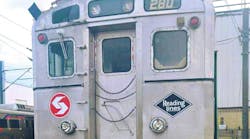
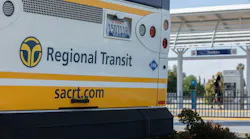 The back of a Sacramento Regional Transit District compressed natural gas bus.
 East Side of The US Capitol Building in Washington, D.C.
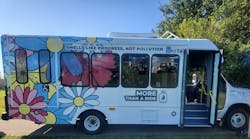 A Butler County Regional Transit Authority propane-powered bus.
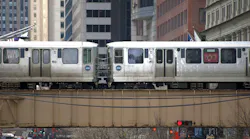 The Chicago Transit Authority Elevated Train crossing a bridge in downtown Chicago.