California Gov. Newsom awards $1.3 billion in TIRCP funding for transit projects
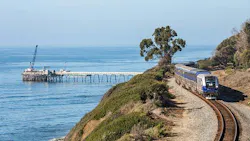
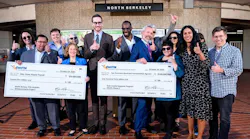
California Gov. Gavin Newsom has awarded 28 projects nearly $1.3 billion in California State Transportation Agency’s (CalSTA) Transit and Intercity Rail Capital Program (TIRCP) and State Rail Assistance program funding to protect passenger rail service and expand clean transportation throughout the state.
The funding will also help prevent major Metrolink service cuts in Southern California, advance Caltrain’s extension into downtown San Francisco and bring more than 75 zero-emission buses and smaller transit vehicles to communities across the state. The investments connect California’s climate goals with everyday needs: dependable transportation to work, school and other destinations.
“California is turning big transit ideas into everyday trips,” said CalSTA Secretary Toks Omishakin. “From Caltrain’s extension into downtown San Francisco to clean buses in the Central Valley and tap-and-pay fares across Metrolink, these awards make transit cleaner, faster and easier for riders across the state.”
Metrolink service
In Southern California, a $20 million investment will help Metrolink avoid proposed service reductions of 29% on weekdays and 40% on weekends compared with its 2025 schedule. The funding will help maintain service for workers, students and families through summer 2028, as the region prepares to host the 2028 Olympic and Paralympic Games.
“We are grateful to Gov. Newsom, Secretary Omishakin and the state of California for recognizing the essential role Metrolink plays in connecting Southern California’s communities,” said Metrolink CEO Darren Kettle. “This critical investment helps us maintain the service our riders depend on to get to work, attend school and access opportunities throughout the region. It also provides much-needed stability as we work with the state and our member agencies to build a more sustainable future for regional rail. Reliable, accessible transportation is vital to our region’s economic health and quality of life, and this funding helps ensure we can continue delivering on that commitment.”
The Los Angeles – San Diego – San Luis Obispo Rail Corridor Agency (LOSSAN) corridor
LOSSAN, which oversees the Amtrak Pacific Surfliner service, will receive $1 million in funding to update a Corridor Optimization Study, which aims to improve rail service coordination, operational efficiency and long-term infrastructure planning along one of Southern California's key passenger rail corridors.
"This investment is an important step toward strengthening coordination and improving the reliability of passenger rail service along the LOSSAN corridor," said LOSSAN Managing Director Jason Jewell. "By working closely with rail corridor stakeholders on this effort, we will be able to identify opportunities to optimize services, improve reliability, recognize infrastructure needs and plan for future sustainable rail transportation services."
New hydrogen fuel cell buses for the Sacramento Regional Transit District (SacRT)
The SacRT has been selected to receive approximately $57.7 million in state funding to advance its Northern Sacramento and Yolo I-80 Intercity Zero-Emission and Transformative Project.
The funding will support the purchase of 21 zero-emission hydrogen fuel cell buses, upgrades to SacRT’s McClellan Bus Maintenance Facility, construction of a hydrogen fueling station and additional transit improvements designed to enhance the rider experience. The remaining $29.8 million will come from other state and regional funding sources, including Senate Bill 125 Zero-Emission Transit Capital Program, California Clean Truck and Bus Voucher Incentive Project, SACOG State Transportation Improvement Program, California Energy Commission EnergIIZE Transit Set-Aside and Sacramento Metropolitan Air District Low Emission Vehicle and Infrastructure Program.
According to SacRT, the 21 hydrogen fuel cell buses will support expanded zero-emission service on three key corridors: bus routes 30, 81 and 138. SacRT says the improvements will strengthen regional connections to Sacramento Valley Station, California’s third-busiest train station and the region’s busiest station, providing important connections to Capitol Corridor, Altamont Corridor Express and Caltrain services.
SacRT notes the project includes several additional improvements designed to make bus service more reliable, accessible and comfortable. Cloud-based transit signal priority will be deployed at 30 intersections along bus routes 30 and 81 to help buses move more efficiently through traffic and reduce delays.
To improve connections between transportation modes, 10 BikeLink smart bike parking stations will be installed at UC Davis and four at SacRT’s University/65th Street Station. Two heat-resilient bus shelters will also be installed at UC Davis Medical Center along bus routes 137 and 138, providing passengers with greater comfort and protection during extreme heat.
The 14-acre McClellan Bus Maintenance Facility will be transformed into a state-of-the-art zero-emission bus operations and maintenance hub. The project includes a hydrogen fueling station with potential public access.
The hydrogen fueling station will include a 25,000-gallon liquid hydrogen storage system, with the capacity to fuel up to 100 hydrogen fuel cell buses.
The project also includes a workforce development partnership with American River College to train, place and retain individuals from underrepresented communities in careers supporting zero-emission vehicle operations and maintenance. The Center for Transportation and the Environment will provide technical assistance and project implementation support.
“This significant investment is an important step forward in modernizing public transportation and creating a cleaner, more efficient transit system for our region,” said SacRT General Manager and CEO Henry Li. “With the support of the state of California, we can continue investing in zero-emission technology, improving service frequency and reliability and building the infrastructure and workforce needed to support the future of public transportation.”
Other transit investments throughout the region
Other projects that received funding that are going to expand transportation connections across California include:
- Central Valley: Modernizing transit facilities and introducing battery-electric buses in Kings County to connect communities to future high-speed rail service while expanding zero-emission microtransit options in Merced County.
- Central Coast: Advancing rail infrastructure improvements needed to bring passenger rail service to Salinas and supporting transit facility improvements in Santa Cruz County.
- Bay Area: Adding a second main track through Fremont and Newark to improve Altamont Corridor Express operations and advancing Caltrain’s battery-electric train pilot between San Jose and Gilroy.
- Southern California: Expanding local transit options in Ventura, Riverside and Los Angeles counties, including new fixed-route service, microtransit and zero-emission buses.
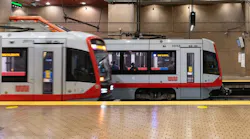
Additional projects will improve transit access at Bay Area Rapid Transit’s Ashby Station in Berkeley, expand e-bike share in Truckee and improve pedestrian safety near Sonoma-Marin Area Rail Transit tracks.
In the Bay Area, a $750 million investment will advance The Portal, a major project that will extend Caltrain approximately two miles from Fourth and King streets into downtown San Francisco. Led by the Transbay Joint Powers Authority, the project will connect Caltrain to the Salesforce Transit Center, creating a major regional transit connection and establishing the future San Francisco terminus for California high-speed rail.
Additional investments will help maintain existing COASTER commuter rail service in San Diego County and improve reliability along some of California’s busiest passenger rail corridors.
Other projects include replacing aging railroad signals and infrastructure near Davis Station to reduce disruptions along the Capitol Corridor, constructing new rail infrastructure in Santa Clara County to improve passenger and freight rail operations and upgrading signals and communications along the SPRINTER rail line between Oceanside and Escondido.
About the Author
 Brandon Lewis
Associate Editor
Brandon Lewis is a recent graduate of Kent State University with a bachelor’s degree in journalism. Lewis is a former freelance editorial assistant at Vehicle Service Pros in Endeavor Business Media’s Vehicle Repair Group. Lewis brings his knowledge of web managing, copyediting and SEO practices to Mass Transit magazine as an associate editor. He is also a co-host of the Infrastructure Technology Podcast.