SEPTA reports continued drop in system crime in new Q3 quarterly report
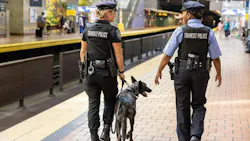
The Southeastern Pennsylvania Transportation Authority (SEPTA) Transit Police has updated its quarterly safety and security data, reporting a 10% reduction in serious crimes in the third quarter of 2026 compared to the same period last year, including a 35% decrease in aggravated assaults.
According to the new quarterly data released, there were crime reductions of double-digit percentage points on the L [Market-Frankford Line], B [Broad Street Line] and buses. Crime on SEPTA has dropped to its lowest level in 16 years, and crime targeting SEPTA employees is also down by 36%.
“With a larger police force of more than 250 sworn officers, we are able to add more patrols to our buses, trolleys and trains to deter crime, enforce our code of conduct and check for fare compliance,” said SEPTA General Manager Scott Sauer. “We continue to strive to provide our customers with safe, clean and reliable service while working to implement our vision for the future under the Accelerate program.”
Transit Police also reported a significant downward trend in thefts on the system—from 943 in 2019 to 394 in 2025—citing its virtual patrol unit for the reduction.
The virtual patrol unit—largely staffed by retired law enforcement professionals—monitor live video feeds and dispatch officers where they are needed. This initiative, which started in 2023, is working to maximize the use of the 30,000 security cameras that are located at stations and on all buses, trains and trolleys.
“By using technology to patrol areas that are difficult to staff with officers, the virtual patrol unit has been particularly successful in deterring copper thefts on SEPTA property,” said SEPTA Transit Police Chief Charles Lawson. “The virtual patrol specialists monitor hot spots and collaborate with police in the field by sharing photos of suspects in real time, leading to quick apprehensions.”
About the Author
 Noah Kolenda
Associate Editor
Noah Kolenda is a recent graduate from the Craig Newmark Graduate School of Journalism with a master’s degree in health and science reporting. Kolenda also specialized in data journalism, harnessing the power of Open Data projects to cover green transportation in major U.S. cities. Currently, he is an associate editor for Mass Transit magazine, where he aims to fuse his skills in data reporting with his experience covering national policymaking and political money to deliver engaging, future-focused transit content.
Prior to his position with Mass Transit, Kolenda interned with multiple Washington, D.C.-based publications, where he delivered data-driven reporting on once-in-a-generation political moments, runaway corporate lobbying spending and unnoticed election records.
Related

 In the latest data collected by the SEPTA transit police, the agency is seeing a 34 percent decrease in serious crimes.