CTA seeks upgraded fare gate, fare collection tech through Innovation Studio
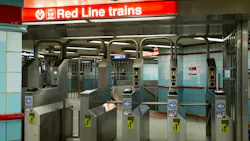
The Chicago Transit Authority (CTA) issued a new problem statement through its Innovation Studio that looks to improve the fare payment experience in rail stations through new faregates or other fare entry features.
The agency says the Innovation Studio pilot continues its recent work to improve the station experience and improve fare collection with updates to ADA faregates at rail stations and ongoing efforts to upgrade to the next generation Ventra system .
“Faregates are the front door to the CTA, and we want to ensure they are modern, accessible and welcoming to all riders while also promoting safety and deterring fare evasion,” said CTA Acting President Nora Leerhsen. “Through Innovation Studio, we can test new, innovative faregate technology in our unique transit environment. This is just the latest example of how our Innovation Studio has been able to leverage their unique role at CTA through piloting cutting edge solutions that improve the rider experience.”
CTA is seeking proposals to address the problem statement: “How can CTA improve customer experience at rail stations by modernizing fare gates and fare entry technology to address aging infrastructure and further deter fare evasion in rail stations?"
While the CTA says that its turnstiles have performed well in challenging rail station environments, they report the machines are approaching the end of their 40-year design life. Work orders have reportedly increased over the last three years, and CTA says it is investigating new technologies in the market to replace existing equipment.
CTA notes it’s looking for new fare entry solutions that can collect data on ridership patterns, deter fare evasion through functional design and improve accessibility for customers using mobility aids or who are traveling with strollers, suitcases or carts that face difficulty navigating the traditional turnstile design. Solutions should allow riders to easily tap, pay and enter the paid area of the rail system. They must be ADA compliant, user friendly and resilient to challenging weather conditions in both indoor and outdoor locations.
The agency highlighted that the selected vendor’s solution will need to integrate with CTA’s Ventra fare system and Ventra readers. CTA notes it has been engaging with transit agencies from across the country about their experience with piloting new faregate technology and its impacts these gates have on fare evasion, rider security and ease of entry at rail stations.
Transit agencies are piloting or have already upgraded to new faregate technology, and this effort leverages the lessons learned from those pilots while enabling CTA to properly test potential solutions in CTA’s unique environment. Like the Metropolitan Transportation Authority, who’s piloted different fare gate designs and turnstile improvements since 2024, or the Southeastern Pennsylvania Transportation Authority, who has since expanded its initial full-height fare gate pilot from one station to 100 more gates, and Bay Area Rapid Transit, who’s already completed their next generation fare gate program.
CTA says it may select one or more proposals to pilot at select stations beginning early next year. The pilots are designed to run for 12 months, allowing CTA and its regional partners to develop a data-driven strategy for next faregate technology systemwide. The agency says that by leveraging Innovation Studio’s expedited and open-ended design, it’ll be enabled to simultaneously vet multiple new approaches with its partners. Phase I proposals will be due by August 24.
As the new Northern Illinois Transit Authority (NITA) prepares to lead transit fare integration and centralized fare collection coordination for the region, this pilot aims to provide insights that can help inform the future regional efforts. Beginning this fall, CTA says it will work with the NITA to continue this work through the oversight structure established under the NITA Act.
About the Author
 Noah Kolenda
Noah Kolenda
Associate Editor
Noah Kolenda is a recent graduate from the Craig Newmark Graduate School of Journalism with a master’s degree in health and science reporting. Kolenda also specialized in data journalism, harnessing the power of Open Data projects to cover green transportation in major U.S. cities. Currently, he is an associate editor for Mass Transit magazine, where he aims to fuse his skills in data reporting with his experience covering national policymaking and political money to deliver engaging, future-focused transit content.
Prior to his position with Mass Transit, Kolenda interned with multiple Washington, D.C.-based publications, where he delivered data-driven reporting on once-in-a-generation political moments, runaway corporate lobbying spending and unnoticed election records.