Colorado Clean Transit Enterprise awards Denver RTD $44 million to improve transit frequency
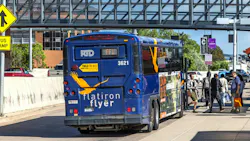
The Colorado Clean Transit Enterprise (CTE), a state-owned enterprise under the Colorado Department of Transportation (CDOT), has awarded the Denver Regional Transportation District (RTD) $44 million in state funding to support frequent transit, longer service hours and new or expanded routes, including more frequency on the Flatiron Flyer service between Denver and Boulder, Colo., and service between Boulder and Denver International Airport.
“The Flatiron Flyer has historically been one of the most well-used commuter transit routes along the Front Range and was part of CDOT’s commitment to adding transit options and improving air quality when US 36 was expanded,” said CDOT Executive Director Shoshana Lew. CDOT remains committed to the long-term goal of restoring higher frequency along this route, consistent with those environmental commitments. Adding long-needed frequency to this important route — alongside other improvements — is an important step that will give people more choices quickly. More frequent service, better connections and expanded hours mean more people can count on transit to get to work, school, appointments, entertainment and other destinations. These investments also advance Colorado’s broader goals of providing more transportation choices, reducing congestion and improving air quality.”
Denver RTD estimates the CTE grants will support service improvements that will generate nearly 3.8 million additional transit rides in 2027. As the improvements mature, the agency projects the enhanced service could ultimately support more than 6.5 million additional rides annually.
Improvements funded through the grants include increased frequencies on routes serving East Evans Avenue, Buckley Road, Alameda Avenue, South Downing Street, University Boulevard, West 38th Avenue, Hampden Avenue, Monaco Parkway, Wadsworth Boulevard and Havana Street. According to the agency, other improvements include extended service hours on routes serving Broadway and Mississippi Avenue and expanded or new services along Sheridan Boulevard, service between Central Park and the Anschutz Medical Campus and service along 72nd Avenue and South Kipling Street.
Funding also will give Denver RTD additional flexibility to provide service for high-volume events that generate increased transit demand, including the Sundance Film Festival, major concerts and Denver Broncos games.
“Transit works best when it is frequent, reliable and connected to the places people need to go,” said Denver RTD Deputy CEO Angel Peña. “This investment allows [Denver] RTD to put state dollars directly into service improvements that will make a difference for customers, including shorter waits, longer service hours and stronger connections to jobs, school, health care, the airport and major regional destinations. We are grateful to CDOT and the Clean Transit Enterprise Board for their partnership and for investing in transit as part of Colorado’s broader mobility, air quality and economic future. As these improvements move forward, [Denver] RTD will continue working with the communities we serve to ensure the service reflects local needs and delivers value across the region.”
Denver RTD says the service improvements are designed not only to increase the number of trips it can provide, but also to make the overall transit network more useful, as shorter headways can reduce the amount of time customers spend waiting for buses and trains while longer operating hours and expanded routes can make transit viable for more trips and more people throughout the day.
About the Author
 Brandon Lewis
Brandon Lewis
Associate Editor
Brandon Lewis is a recent graduate of Kent State University with a bachelor’s degree in journalism. Lewis is a former freelance editorial assistant at Vehicle Service Pros in Endeavor Business Media’s Vehicle Repair Group. Lewis brings his knowledge of web managing, copyediting and SEO practices to Mass Transit magazine as an associate editor. He is also a co-host of the Infrastructure Technology Podcast.