Latest MTA audit shows agency is unlikely to transition fleet to zero emissions by 2040
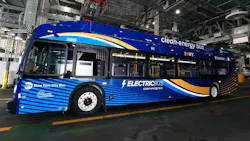
An audit released by New York State Comptroller Thomas DiNapoli revealed that the Metropolitan Transportation Authority (MTA) is unlikely to meet its 2040 target for replacing its 5,800-bus fleet with zero-emission buses.
“The MTA has set an ambitious goal to transform the nation’s largest bus fleet to 100% zero-emission,” DiNapoli said. “Unfortunately, this audit identified multiple challenges that have put its 2040 target in jeopardy. It is encouraging that the MTA has announced steps to address these issues.”
The MTA’s four-stage plan called for a one-for-one replacement of its entire fleet with zero-emission buses. The authority received its first 15 new electric buses in 2019, followed by 60 more in 2024. In January 2025, MTA purchased 265 new zero-emission buses, but only one bus had been delivered by June 2025. The MTA subsequently reduced its Stage 2 order from 1,000 buses to 500.
The audit found the MTA’s progress has been hampered by several factors, including Its reliance on a single manufacturer with limited capacity (the only one that currently meets its standards) that led to backlogs. The cost of an articulated electric bus increased from about $1.4 to $1.8 million by 2024, about 60% more than comparable-sized diesel buses. The MTA estimates fully replacing its fleet would cost $11.9 billion.
According to the audit, the zero-emission buses the MTA purchased during earlier pilot programs were prone to breakdowns and reliability issues that took them out of service. The audit notes that because these buses must be at least 70% charged to be deployed and return to the depot when they reach 30%, they were generally put on shorter routes and remained in service less than 60% of the time MTA had planned. Delays in upgrading depot power capacity as bus orders were reduced have further limited charging capacity.
Auditors interviewed representatives of six public authorities (four in New York, two out-of-state) experienced with electric bus operation. These agencies reported similar challenges with buses from the manufacturer, including limited range, frequent maintenance-related downtimes and recalls linked to batteries and other issues.
The audit made several recommendations, including:
- Developing a contingency plan to address the possibility it does not meet its target and to address the milestones that have not been met.
- Evaluating alternative technologies that could improve the range and performance of its zero-emission buses.
- Considering the timeline for zero-emission bus purchases and deployment in the next phase of its transition plan.
- Establishing clearer priorities and monitoring controls to help ensure outcomes align with goals.
MTA officials generally agreed with the recommendations to improve transition tracking, strengthen contingency planning and refining procurement targets. Officials said that they are evaluating approaches to bus deployment, exploring alternative technologies and working with manufacturers to improve bus range and performance.
MTA's response can be found in the full report on the New York State Comptroller's website.
It's not just the MTA
MTA isn't the only agency, however, dealing with troubles transitioning its fleet to zero-emissions. The Metropolitan Atlanta Rapid Transit Authority had to delay the launch of its Rapid A Line due to a recall on the New Flyer battery-electric buses purchased to operate on the line. Milwaukee County Transit Systems' CONNECT 1 bus rapid transit system experienced a delay during the project due to supply chain challenges. As Mass Transit magazine previously reported in its 2026 Special Report on the bus industry, the cost of bus vehicles have gone up in recent years, as the average cost for a new bus vehicle between 2023-2024 was $887,001—a 16.6% increase compared to buses on order from 2022-2023.
About the Author
 Brandon Lewis
Brandon Lewis
Associate Editor
Brandon Lewis is a recent graduate of Kent State University with a bachelor’s degree in journalism. Lewis is a former freelance editorial assistant at Vehicle Service Pros in Endeavor Business Media’s Vehicle Repair Group. Lewis brings his knowledge of web managing, copyediting and SEO practices to Mass Transit magazine as an associate editor. He is also a co-host of the Infrastructure Technology Podcast.