Denver RTD-PD reports continued decrease in illicit drug activity, security-related calls
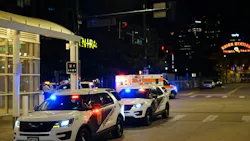
The Denver Regional Transportation District (Denver RTD) Transit Police RTD-PD) has revealed a significant decline in illicit drug activity, along with a decrease in the number of security-related calls from 2025. The department says the downturn in reports shows that its actions—designed to prioritize a welcoming and safe rider experience—are delivering results.
Denver RTD says it is seeing a steep reduction in reports of illicit drug activity, by more than 50% in most months through July 2026 compared with the same time in 2025. April saw a 69.3% drop in reported drug activity, followed by a 59% decrease in May. The department says these decreases continue progress started in 2025 when RTD-PD recorded an 82% decline in reports of drug activity in February and a 73% decrease in May.
The department says that security-related calls have also trended down. In 2025, Denver RTD reports that it saw decreases of up to 43% in monthly security-related calls compared to the previous year. While 2026 decreases are more modest than those in 2025, RTD-PD says it continues to see a downward trend in calls for service. These include all calls, texts and radio communications to RTD-PD’s Dispatch Center. The department notes that calls originate from officers proactively contacting dispatchers while conducting welfare checks or other routine security activities throughout the district.
Increased fare checks
In June 2026—the most recent data available—Denver RTD says it recorded a 17% reduction in calls for service. RTD-PD and security officers conducted more than 433,000 fare checks. The push for increased fare checking came as part of a four-pronged security plan it began in May 2024 in an effort to be more visible to riders.
Since July 2025, RTD-PD and security officers have conducted more than 400,000 fare checks a month. The agency says that fare checks help ensure that paying riders have boarded Denver RTD vehicles and increase opportunities for officers to interact directly with customers. The department notes that increases in fare checks that began last year also were intended to increase officer visibility across the system.
“The positive data is a clear indication that the work our police department is doing every day is making a real impact,” said RTD-PD Chief of Police and Emergency Management Steve Martingano. “The sharp drop in drug‑activity reports and the steady decline in calls for service show that increased presence, consistent fare checks and strong community engagement are paying off. We still have work to do, but this trend is encouraging and reflects the dedication to providing our customers a welcoming transit environment"
Security reporting now available through the NextRide mobile app
Denver RTD says its new NextRide mobile app makes it easier for riders to report security issues. The app integrates security reporting into the same platform customers can use to trip plan, view alerts and purchase and store digital fare.
“The NextRide app provides our customers with a convenient platform to share information directly with our police dispatchers, and support timely deployment of police or security assistance,” Martingano said. “We strongly encourage customers to use this one-stop app to provide real-time input that enhances our ability to allocate resources efficiently.”
Riders can access the reporting feature through the app’s security section, where users can reach RTD-PD dispatchers who work around the clock, year-round, to handle reports. While the agency says that most riders travel without issue on Denver RTD services, the feature offers another way for passengers to get assistance quickly.
About the Author
 Noah Kolenda
Noah Kolenda
Associate Editor
Noah Kolenda is a recent graduate from the Craig Newmark Graduate School of Journalism with a master’s degree in health and science reporting. Kolenda also specialized in data journalism, harnessing the power of Open Data projects to cover green transportation in major U.S. cities. Currently, he is an associate editor for Mass Transit magazine, where he aims to fuse his skills in data reporting with his experience covering national policymaking and political money to deliver engaging, future-focused transit content.
Prior to his position with Mass Transit, Kolenda interned with multiple Washington, D.C.-based publications, where he delivered data-driven reporting on once-in-a-generation political moments, runaway corporate lobbying spending and unnoticed election records.