TTC taking action to improve safety and security efforts
The Toronto Transit Commission (TTC) is beginning to increase staff visibility, on-vehicle checks and install an artificial intelligence-assisted track intrusion warning system pilot to help improve on safety and security efforts as part of the new and enhanced measures outlined in the “Advancing Safety on the TTC: 2026 Focus Areas Plan” report, which is going to the TTC Board June 3.
As part of this plan, the TTC intends to:
- Increase staff visibility in stations and to conduct on-vehicle checks during peak hours and fare inspection on subways at other times.
- Improve deployment of provincial offences officers, Special Constables, station supervisors and security guards to be more dynamic and data-informed.
- Improve coordination of services for vulnerable people in need of social services or shelter, so they don’t have to shelter on transit overnight.
- Expand the use of body-worn and in-station cameras to act as a deterrent to anti-social behavior.
- Pilot a targeted in-stations announcement system in key locations to reduce disruptive behavior and delays.
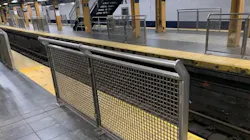
- Advance an additional C$6 million (US$4.3 million) in funding for the Bloor Yonge Capacity Improvement Project to prepare the platform for edge doors in the future and C$2 million (US$1.4 million) to pilot New York City-style platform barriers at TMU Station this year.
“The city invests tens of millions of dollars every year to enhance customer and employee safety and security and we know it is making a difference,” said Toronto Mayor Olivia Chow. “This year will see enhanced measures, and I am committed to providing even more support in future years. We cannot compromise on safety.”
In addition to the enhanced measures this year, the TTC continues to advance a range of community safety and security measures, as outlined in the TTC Community Safety, Security and Well-Being Plan, such as:
- Expanded the Toronto Community Crisis Service pilot program to support mental health-related calls in subway stations.
- Increased the number of Streets to Homes outreach workers by 10 to provide additional support on the surface network.
- Completed de-escalation training for frontline employees.
- Launched customer campaigns promoting courtesy, appropriate behavior and safety awareness, including initiatives to highlight available safety features, resources, and the SafeTTC app.
- Deployed Neighborhood Community Officers on the subway network.
- Established 24/7 Transit Special Constable support within Transit Control to support SafeTTC app correspondences and CCTV playback requests.
- Partnered with Toronto Police Service to deliver community safety events.
- Advanced work to expand criminal protection for transit workers through Bill C-14, which has passed third reading in the House of Commons and is being considered in the Senate.
- Launched a nine-week safety informed youth PEERS pilot program in partnership with Toronto District School Board, the city of Toronto and Toronto Police Service.
“The TTC Board has made this program a cornerstone of our efforts to improve safety and bring more customers back to transit,” said TTC Chair Jamaal Myers. “I hear from people daily about this issue and as board chair, it is essential we act on these concerns.”
TTC CEO Mandeep Lali notes that “safety is paramount to everything we do at the TTC; whether that’s individual safety or the safety of our infrastructure and vehicles. Using data to inform our decisions, we will strategically roll out these new initiatives to ensure they are of maximum benefit to our customers and employees.”