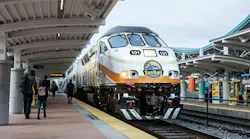
FL: St. Pete Beach votes to stop funding beach trolley, cites Amendment 3
In the first publicly announced set of cutbacks, the St. Pete Beach City Commission voted to end its financial support for the Suncoast Beach Trolley due to Amendment 3.
The Suncoast Beach Trolley is funded through partnerships with city governments, like St. Pete Beach, and the Pinellas Suncoast Transit Authority. The City Commission’s vote on Tuesday night canceled plans to pay $242,000 for the next fiscal year.
The trolley will run through 2026, but will likely end in St. Pete Beach in February. The trolley will now end service in Treasure Island.
The Transit Authority board has to finalize when the service will end in the city. The next board of directors meeting is on Dec. 9.
The Suncoast Beach Trolley served St. Pete Beach for 25 years. It ends at Gulf Boulevard and 75th Avenue and starts at the Park Street Terminal in downtown Clearwater. From October 2025 through this September, more than 532,000 riders used the trolley. About 82,500 of them went through St. Pete Beach, which is about 16% of the overall ridership.
It costs passengers $2.25 a ride. The trolley runs every 30 minutes and connects with the SunRunner, a rapid transit route that connects downtown St. Petersburg to the beaches. Most beach governments work with the Transit Authority to pay for their portion of the trolley route not covered by fares.
It’s unclear if other beach city governments will make similar decisions in the coming weeks. Transit Authority spokesperson Amanda Boisen said Wednesday morning that there’s been “no indication from other beach governments that we’re aware of” yet on ending the service.
“I know thousands of residents and tourists are grateful that the City of St. Pete Beach has supported the trolley for the past 25 years, but we obviously recognize the difficult decisions that all our city partners must make,” said Brad Miller, the Transit Authority’s CEO, in a Wednesday news release. “They are the same difficult decisions PSTA’s own Board of Directors must make to scale down our public transit offerings due to the reduced funding after Amendment 3’s passage.”
The amendment passed with 62% of the vote two weeks ago. It rewards Floridians who live in the homes they own with a lower bill due to an increased property tax exemption. St. Pete Beach, like many other city and county governments, uses money from property tax bills to pay for daily operations.
The transit authorities also mainly use property taxes to pay for their bus routes and employees. Hillsborough and Pinellas both have a local tax rate that appears on homeowners’ bills that fund transit services. With an increased property tax exemption, the authorities will collect less money.
And the authorities on both sides of Tampa Bay have said if Amendment 3 passed, their budgets would crater. The Pinellas Transit Authority has said it would lose nearly a quarter of its budget.
Pinellas’ Transit Authority has said lesser revenue could mean new services, such as the bus that goes from downtown St. Petersburg to Tampa International Airport, could end within the next year. Nearly all ferry and trolley services would be cut, the Transit Authority said, due to the amendment.
©2026 Tampa Bay Times.
Visit tampabay.com.
Distributed by Tribune Content Agency, LLC.