Atlanta Beltline presents Beltline Transit Study findings for future light-rail transit along Beltline corridor
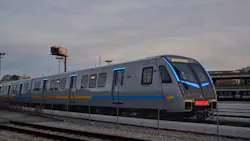
On Sept. 3, officials from the Atlanta Beltline presented final recommendations and next steps for the Beltline Transit Study. Funded by the Federal Transit Administration (FTA), the 3.5-year study consolidates years of prior work into a holistic plan for high-capacity light-rail transit along the Beltline corridor.
The study identified preferred routes and stations within the transit corridor that will improve regional connectivity and ensure equitable transportation options for all. Initial findings were presented to the public for feedback and input during a public meeting in 2024. Following that meeting, the team continued public engagement, developed service plan assumptions, created ridership projections and developed cost estimates.
According to the Atlanta Beltline, three alignments for transit in the northwest quadrant remained under consideration during the final stages of the study: CSX, Peachtree and Ottley. With the study concluded, the team has recommended the CSX alignment as the locally preferred alignment alternative, as the alignment will ensure the fastest average speed and lowest travel time, direct service to Piedmont Hospital, lowest capital cost and highest ridership.
While the initial study explored all possible transit stop locations, the final station recommendations include the following stations:
- Donald Lee Hollowell Parkway
- Joseph E. Boone Boulevard
- Martin Luther King Jr. Drive
- Langhorn/Enota
- Ralph David Abernathy Boulevard
- Lawton Street
- Murphy Avenue
- Metropolitan/Pittsburgh Yards
- Pryor Road
- Milton Avenue/Hank Aaron Drive
- Hill Street
- Boulevard
- Glenwood Avenue
The final recommendations include three routes with bi-directional service, running 18.5 hours a day (6:00 a.m. to 12:30 a.m.). This includes a Beltline Loop, running the entirety of the Beltline, as well as a Northern Loop and a Southern Loop that provide service into downtown Atlanta. Each route would have 20-minute headways, resulting in 10-minute headways at platforms. The plan provides for a one-seat ride anywhere in the system, as well as Metropolitan Atlanta Rapid Transit Authority heavy rail infill stations.
According to WSBTV Atlanta, transit models were developed for the project using the FTA's STOPS software project. The models showed that 40% of users will be transit-dependent riders, 55% will use infill stations and 21% will represent new transit trips.
The Atlanta Beltline says the projected capital cost estimates for the proposed three-route light-rail system amount to $3.5 billion as of 2025. The capital cost is based on quantities from a 10 to 20% design versus a cost per mile.
About the Author
 Brandon Lewis
Brandon Lewis
Associate Editor
Brandon Lewis is a recent graduate of Kent State University with a bachelor’s degree in journalism. Lewis is a former freelance editorial assistant at Vehicle Service Pros in Endeavor Business Media’s Vehicle Repair Group. Lewis brings his knowledge of web managing, copyediting and SEO practices to Mass Transit magazine as an associate editor. He is also a co-host of the Infrastructure Technology Podcast.