Via launches Fixed Route Live Operations Solution
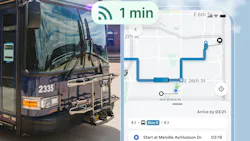
Via is extending its transit technology platform with the launch of Fixed Route, which seeks to provide agencies with a connected workflow for planning, scheduling, operating and communicating fixed route bus service.
Via says the new capabilities bring fixed route bus service into the modern era, adding the real-time visibility, automation and optimization that have transformed microtransit and paratransit operations for more than a decade. Via notes the technology continuously monitors service in real time and automatically responds to routine changes — guiding drivers when they are running early or late and updating rider communications when service changes — while surfacing the issues that require a dispatcher’s attention. Dispatchers can then step in when needed to manage disruptions and keep service on track.
“Transit agencies have always had to manage the gap between the service they plan and the service they actually deliver,” said Via Chief Product Officer Nithya Sowrirajan. “With Fixed Route, we’re connecting those two worlds. Agencies can plan, schedule, operate and learn from their service in one connected workflow.”
Connecting fixed-route planning and operations
Instead of stitching together a planning tool, scheduling tool, dispatch system and rider-facing app from multiple vendors, agencies can now manage the fixed route service lifecycle in one place, with data flowing from one stage to the next.
The technology allows agencies to:
- Plan anything from a two-route change to a 200-route network, with network design, timetables and service changes managed in the same environment.
- Build blocks, runcuts and driver rosters around labor rules, fleet requirements and driver preferences. Once schedules are ready, publish them directly to operations in one click — eliminating the manual handoff between scheduling and dispatch.
- Give dispatchers a clear, real-time view of every trip, with map and timeline views that automatically flag vehicles running early or late and surface trips most at risk of falling behind. The system handles routine timeliness issues automatically — for example, if a driver is running early, the driver app can prompt them to hold at the next stop — so dispatchers can focus on larger disruptions and take action when it matters.
Because driver and rider tools run on the same operational data, changes in service are reflected automatically across the network. Drivers receive real-time, on-time guidance while riders get accurate arrival predictions and disruption information on web or mobile devices.
Improve service with real-world performance data
Via captures what happens on the road and feeds those insights back into planning. Agencies can see real-world runtimes and on-time performance at the route and stop level, then use that data to build more accurate timetables and make better-informed service changes. Over time, the service plan becomes better aligned with how buses actually move through the network — closing the loop between what agencies plan and what riders experience.
For agencies operating multiple types of service, Via also brings fixed route, microtransit and paratransit into a shared operational environment. Agencies can coordinate vehicles and drivers across modes, manage service from one Operations Center and give riders a connected multimodal experience — making it possible to share resources across services while giving riders one place to plan and access their trips.
About the Author
 Noah Kolenda
Noah Kolenda
Associate Editor
Noah Kolenda is a recent graduate from the Craig Newmark Graduate School of Journalism with a master’s degree in health and science reporting. Kolenda also specialized in data journalism, harnessing the power of Open Data projects to cover green transportation in major U.S. cities. Currently, he is an associate editor for Mass Transit magazine, where he aims to fuse his skills in data reporting with his experience covering national policymaking and political money to deliver engaging, future-focused transit content.
Prior to his position with Mass Transit, Kolenda interned with multiple Washington, D.C.-based publications, where he delivered data-driven reporting on once-in-a-generation political moments, runaway corporate lobbying spending and unnoticed election records.