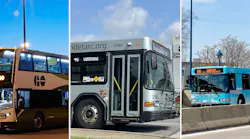
PA: A new day: Pittsburgh Regional Transit, union workers improve relationship
Just 4½ years ago, the relationship between Pittsburgh Regional Transit and Local 85 of the Amalgamated Transit Union was fractured at best.
In the midst of the COVID-19 pandemic, nearly 100 union members – 51 of them operators — refused to be vaccinated against the virus and the agency fired them. The union bitterly objected and filed a series of grievances.
As fighting over the dismissals continued, the agency’s record for missing trips because of operator shortages reached what may have been all-time highs. Public confidence dropped as riders complained about waiting for buses that never arrived.
When the health emergency ended, the agency offered to reinstate the workers. Fewer than a third returned, and only 10 of those were operators.
Today, the relationship between the agency and the 2,100-member union has changed dramatically. On Friday, when the PRT board approved a four-year labor contract with the union that grants wage increases of 15%, agency leaders and board members praised the union for the professional manner it brought to the bargaining table.
What changed?
Interviews with principals from both sides indicate that each needed the other. Instead of what some considered top-down management in the past, today the agency and the union are more likely to work together on such efforts as designing special service for the National Football League Draft, held here in late April.
Plus, both sides have a common goal of wanting the transit system to prosper. As such, they have joined forces to lobby state leaders in Harrisburg for more funding for public transit. Without it, the agency could face drastic service cuts and crippling layoffs in 2029.
Michael Cetra, PRT’s chief legal officer, called the more than six months of bargaining “often intense and exhausting.” In the end, the contract deal provided good raises for union operators, mechanics and office workers, he said, but also gave the agency some relief from a looming 19% increase in healthcare costs through higher deductibles and co-pays.
“We think we got to the right spot here,” Cetra told the transit board Friday.
Ross Nicotero, the union’s president and business agent, said he believes the agency now realizes the expertise of his members, who each day drive bus routes and repair vehicles. There were times when contract talks became heated, he said, but in the end “calmer heads prevailed and we got it done.”
CEO Katharine Kelleman told the board that union leaders came to contract talks with “time, effort and good faith.” In an interview later, she said both sides need each other to provide good service.
“Our union has negotiated for strong benefits for their members, and they certainly deserve that,” she said. “We need them so we can provide the great service we provide to the public.”
That unified approach could be vitally important over the next 10 months as transit agencies statewide lobby legislative leaders for more money. The state’s largest agencies, PRT and the Southeastern Pennsylvania Transportation Authority, were facing drastic cuts a year ago because of the lack of action in Harrisburg on more transit funding until Gov. Josh Shapiro allowed them to use capital funds for operating expenses for two years.
That sets up a major battle in the 2027-28 budget next year. So far, Senate Republicans in rural areas have been unwilling to grant more transit money until they get more funds for local roads and bridges. They point out that 87% of transit funds go to the Pittsburgh and Philadelphia agencies.
PRT seems to be in a strong position headed into 2027. Ridership has shown growth this year, and it received rave reviews for service during the NFL Draft, when it moved more than 180,000 riders over four days from suburban park-and-ride lots to Downtown Pittsburgh to avoid huge traffic jams and a battle for limited parking spaces.
Additionally, the agency has changed its bus rerouting plans to concentrate on better service in the most popular ridership areas rather than trying to expand to new areas.
Two PRT board members who serve in the Legislature said strong union relations should help release funding.
State Sen. Lindsey Williams, D- West View, praised the “good give and take” in negotiations. That and the agency’s other positive steps should put it “in a good position” in the budget process.
Rep. Aerion Abney, D-North Side, called the contract “a big deal and a big win.” He said there is “still a lot of work to do” to get more funding, but labor peace “makes that easier.”
PRT spokesman Adam Brandolph said it’s important for the agency and the union “to be singing the same song” when they lobby for more funding in Harrisburg.
“It’s best for both of us when we can speak with one voice,” he said. “Both union and management know what’s at stake here.”
Nicotero agreed.
“At the end of the day, it’s my job to do the best I can for my membership and make sure we continue to have an agency,” he said. “We need dedicated funding and the best way to get that is to work together.”
© 2026 the Pittsburgh Post-Gazette.
Visit www.post-gazette.com.
Distributed by Tribune Content Agency, LLC.