Op-Ed: How Manteca Transit is building a new generation of riders
Before 2018, Manteca Transit was experiencing declining ridership. To better understand who we were serving and who could become a rider in the future, the city’s transit team conducted market research to identify opportunities to better connect residents with our services.
Many Manteca residents commute to the Bay Area for work, leaving home as early as 4:00 a.m. and returning around 6:00 p.m. With our local fixed route service then operating from 6:00 a.m. to 7:00 p.m., we asked an important question: Who are our current and potential customers, and whose travel needs can we meet during our service hours? Our research identified seniors and youth as two key groups that could benefit from our local public transportation.
Beginning in 2019, the transit team increased its community outreach, attending fairs, farmers markets, school events and locations serving community events. These conversations revealed a gap in public awareness. While many seniors knew about Manteca Transit, many young people did not realize the city had a public transportation system (fixed route) available to them.
They had seen our smaller cutaway buses but often assumed the service was only for seniors or people with disabilities. This feedback showed us that attracting new riders required us to change perceptions about who could use the service.
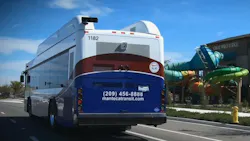
Our community outreach helped guide improvements that reflected the transit services many residents knew from the Bay Area. These included larger, traditional transit buses that are cleaned daily and mobile apps that show bus locations in real time. Free fares also helped make Manteca Transit more accessible, giving residents the opportunity to use public transportation without worrying about the cost of a ride.
To connect with younger riders, we developed a fun map highlighting destinations they could reach on Manteca Transit, including the Boys & Girls Club, schools, the library, AMC Theatres, the bowling alley and local gyms. The map helped show young people how the bus could connect them to activities and places they enjoy. We also spoke with parents about using the service, explaining that all buses are equipped with cameras and that parents can download the real-time tracking app to their phones to follow bus locations. Our goal was to help families feel more comfortable with public transportation while showing young people how Manteca Transit could support their independence and everyday travel.
Making transit part of everyday life
Those early conversations helped us see our service through the eyes of people who had never used it. Community events gave us opportunities to listen, answer questions and explain how to ride. For our team, that work became an essential part of connecting residents with transportation.
The opportunity were practical. For seniors, local transit offers access to appointments, shopping and social activities while supporting independence. For youth, it provides connections to school, recreation and jobs, reducing the need to walk long distances where some areas lack safe walking routes. This reinforced the importance of making families aware of Manteca Transit’s free bus service and encouraging students to ride. Our goal was to provide a safer transportation option to help students get to and from school while giving parents greater peace of mind. Linking transit to these everyday needs gave our outreach a clear purpose.
Free fares help youth get on board
These efforts helped support the Manteca Transit Youth Ride Free Program, which grew from an earlier high school free-ride initiative and offers eligible youth free rides on local fixed-route buses. The city supports fare promotions through California’s Low Carbon Transit Operations Program.
Youth riders are taking advantage of those free fares. Removing the cost of a bus trip makes it easier to consider transit for everyday travel, whether the destination is a classroom, a part-time job or an activity across town. For families, the service can also reduce the need to arrange a ride for every trip.
Each trip helps youth riders become more comfortable with public transportation, from reading schedules and finding stops to understanding route connections. That familiarity can serve them well as they grow older and travel to college, work and other destinations.
Record ridership and a shared responsibility
Today, Manteca Transit is experiencing the highest ridership in its history. For our team, that milestone reinforces the importance of understanding our community and making sure residents know how public transportation can serve them.
This progress reflects a shared effort among city staff, drivers, dispatchers, maintenance personnel and community partners. Every part of the operation contributes to the passenger experience. A clear answer to a question, a welcoming interaction or help understanding a transfer can influence whether someone feels confident enough to ride again.
Growing ridership also brings a responsibility to keep improving. As more residents use the system, we must continue listening to their experiences and paying attention to whether routes and schedules meet their needs. The work of building a useful transit system continues with every service day.
A new fixed route network for a growing city
That focus on riders guided Manteca Transit’s next major step: a comprehensive fixed route redesign. The city worked with Fehr & Peers Consultants to evaluate existing service, analyze ridership and travel patterns, identify service gaps and gather public input. The goal was a network that better reflects how residents travel today and supports the community’s continued growth.
On Oct. 1, 2026, Manteca Transit launched its redesigned network, expanding from four local routes to five with new routes and schedules. The changes also introduced a morning Sierra Direct trip timed to Sierra High School’s bell schedule and available to the general public, along with an additional ACE shuttle trip.
The network extends the hours available for local travel. Selected routes now operate from 5:30 a.m. to 9:00 p.m. on weekdays, and Saturday service on Routes 2, 4 and 5 runs from 8:30 a.m. to 6:00 p.m. These longer service hours give residents more flexibility to plan trips around their daily responsibilities.
The redesign carries the lessons of our outreach into service planning. A route needs to reach useful destinations at useful times. Whether someone is traveling to school, an appointment or work, our aim is to make Manteca Transit a practical part of that journey.
Looking ahead: The future of Manteca Transit
As Manteca Transit celebrates 20 years of service, we are looking beyond ridership and route expansion to the facilities, technology and operational improvements needed to meet the needs of a growing city.
A key priority is acquiring land for a future bus facility. Dedicated space for fleet storage, maintenance and daily operations would help support reliable service and long-term growth.
Technology is another focus. Manteca Transit already uses intelligent transportation systems, including automatic vehicle location, automatic voice annunciation, automatic passenger counters and electronic bus bay displays with estimated arrival times. The city is also implementing tap-and-go contactless fare payments, which could give passengers the option to pay by credit or debit card, smartphone or smartwatch, making boarding more convenient and reducing cash handling.
As new residential and commercial developments continue throughout Manteca, future improvements may include additional bus stops and shelters, enhanced accessibility, improved passenger amenities and better access to transit information.
Manteca Transit is also implementing a trolley service using a specially designed vehicle to connect the Family Entertainment Zone in downtown Manteca and nearby shopping, dining and entertainment destinations. The proposed service could offer residents and visitors another way to travel between these areas while supporting local businesses and encouraging transit use.
Marking 20 years of Manteca Transit
Manteca Transit began service on Nov. 1, 2006, and marks its 20th anniversary in November 2026. This milestone comes at an exciting time for Manteca Transit, as ridership reaches an all-time high, more young riders take advantage of free bus fares and the city launches a redesigned route network to better serve its growing community.
Our progress has been shaped by the people who ride, operate and support the system. The conversations that began at community and school events continue to guide how we welcome new riders, listen to feedback and respond.
Celebrating 20 years of service is a reflection of how far Manteca Transit has come and the continued trust and support of our riders, residents, city council and city staff who have helped shape our journey along the way. As Manteca enters its next chapter, we remain committed to being here for our community: connecting people to the places that matter, improving service as needs change and helping the next generation of riders move forward.
About the Author
 Juan Portillo
Transit Manager for the City of Manteca
Juan Portillo is a Marine Corps veteran with more than 20 years of experience in public transportation. He currently serves as transit manager for the city of Manteca, Calif., where he oversees the Transit Division, including fixed-route and Dial-A-Ride services. His work includes transit grant manangement, service planning and community outreach, with a focus on providing reliable, accessible transportation that meets the needs of Manteca’s growing community.
Portillo holds a Bachelor of Science in Business Management from San José State University. He is dedicated to improving mobility and connecting residents to jobs, schools, healthcare and other essential destinations.