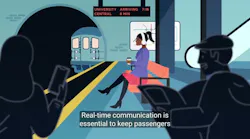
The Operational Foundation of a Better Passenger Experience
Key Highlights
- Customer experience is ultimately an outcome of operational effectiveness.
- Strong situational awareness enables better decisions across the rail network.
- Operational visibility helps agencies manage complexity and maintain service reliability.
- Timely, accurate information builds passenger trust during disruptions.
- Rail agencies are increasingly linking operational performance to passenger satisfaction.


When passengers recall a positive rail journey, they rarely think about the systems operating behind the scenes. They think about whether the train arrived on time, whether service information was accurate, and whether they felt informed and reassured if a disruption occurred.
For rail agencies, delivering that experience depends on much more than customer-facing technology. It begins with operational effectiveness. Every day, operations teams, maintenance personnel, dispatchers, and customer communications staff work together to keep service running safely and reliably. The better they can understand, coordinate, and respond to what's happening across the network, the better the experience will be for passengers.
As rail systems become more complex and passenger expectations continue to rise, strengthening the connection between operations and customer experience is becoming increasingly important.
The Passenger Experience Starts Behind the Scenes
Passenger satisfaction is often discussed in terms of apps, displays, announcements, and other rider-facing technologies. While these tools are important, they are only as effective as the information behind them.
An unexpected service disruption resulting in a delayed or canceled train can quickly affect thousands of passengers. In those moments, providing accurate information depends on how quickly operational teams can identify the situation, understand its impact, and coordinate an appropriate response.
The most successful rail organizations recognize that customer experience is not solely a communications function. It is the outcome of effective operations.
When operations teams have clear visibility into network conditions and can respond confidently to emerging issues, passengers benefit through more reliable service, more accurate information, and greater trust in the system.
Building a Complete Operational Picture
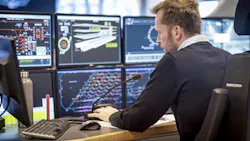
Most rail agencies have access to a significant amount of information. Vehicle systems, operational platforms, infrastructure monitoring tools, and communications systems all generate valuable insights.
The challenge is not necessarily obtaining more information. It is ensuring that information can be understood and acted upon effectively.
Operational teams often need to assess conditions across multiple systems and sources to understand what is happening and determine the best course of action. The ability to establish a clear, real-time picture of network conditions can help agencies respond more efficiently and make better-informed decisions when issues arise.
This broader situational awareness becomes increasingly important as agencies manage larger fleets, more complex networks, and growing passenger expectations.
Bridging Operations and Passenger Experience
As rail agencies look to improve service quality, a growing focus is being placed on connecting operational awareness with passenger communications.
Solutions that improve visibility across rail operations can help agencies respond more effectively to service changes, coordinate resources, and communicate more clearly with passengers. Whether addressing a service disruption, equipment issue, or unexpected operational event, having access to the right information at the right time can help teams make informed decisions and keep riders informed throughout their journey.
At Hitachi Mobility Multimodal Solutions (HMMS), this philosophy helps guide the development of rail technologies that bring operational information, passenger communications, and situational awareness closer together. By helping agencies build a clearer picture of what is happening across their networks, technology can support both more informed decision-making and a better passenger experience.
Turning Operational Awareness into Passenger Benefits
When agencies have a stronger understanding of operational conditions, passengers may never notice the technology involved, but they will experience the benefits.
Potential service impacts can be identified earlier. Customer information can be updated more accurately. Staff can coordinate responses more effectively during disruptions. Decisions can be made with greater confidence and consistency.
These improvements may appear small in isolation, but together they contribute to a more predictable and reliable passenger experience.
For riders, confidence in a transit system is often built through consistent daily experiences. Knowing that information is accurate, communications are timely, and disruptions are managed effectively can have a significant impact on overall satisfaction.
As passenger expectations continue to evolve, agencies are increasingly focused not only on delivering service, but on delivering transparency and trust throughout the journey.
Looking Ahead
Rail agencies have made significant investments in technology over the past decade, creating new opportunities for network visibility and operational insight.
The next opportunity lies in helping teams use that information more effectively. By strengthening the connection between operational awareness and customer communication, agencies can improve both day-to-day service delivery and the overall passenger experience.
Ultimately, passengers experience the results of operational decisions, not the technology itself. Agencies that successfully connect operations, information, and communication will be better positioned to deliver the safe, reliable, and responsive service that passengers increasingly expect.