STV finishes procurement effort for 78 MTA heavy railcars
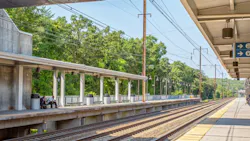
STV has finished completing the procurement effort for 78 Maryland Transit Administration (MTA) heavy railcars.
The new railcars are designed as bi‑directional stainless-steel pairs that prioritize accessibility, operational reliability and a more intuitive rider experience, including:
- ADA‑compliant interiors supporting accessibility and comfort, including a dedicated space for mobility devices.
- Bicycle space and rack/restraining device to support multimodal trips.
- LED lighting that improves visibility while reducing energy use.
- Regenerative braking technology that supports system efficiency.
- Modern passenger information systems for clear, real‑time service communication.
- Diagnostic‑enabled cabs that help operators and maintenance teams quickly identify and address issues.
- Enhanced CCTV to support passenger safety and security.
- Vehicle data remote access capability to improve maintenance planning and response.
“This level of coordination across project management, engineering and QA has been central to helping MTA advance one of the largest modernization efforts in the system’s history,” said STV Senior Program Manager Nahom Debessay. “It’s incredibly rewarding to see the impact of that collaboration come to life for riders across Baltimore.”
The project is part of the five-year task order contract MTA awarded to STV in 2025 to provide a range of consulting services related to rolling stock, including both bus and passenger rail vehicles. The projects included under this task order will allow the MTA to procure new rolling stock to meet changing customer demands or keep existing equipment in a state of good repair via upgrades and overhauls.
For the procurement, STV reviewed and monitored contractor schedules, evaluated cost-control documents, supported contract administration and tracked all required documentation to ensure compliance with project and technical specifications.
STV notes engineering and quality assurance specialists provided technical oversight across propulsion, auxiliary power, lighting, cab and interior design, software and electromagnetic interference. The fleet has an expected service life of 30 years and approximately 80,000 miles of annual operation.
About the Author
 Brandon Lewis
Brandon Lewis
Associate Editor
Brandon Lewis is a recent graduate of Kent State University with a bachelor’s degree in journalism. Lewis is a former freelance editorial assistant at Vehicle Service Pros in Endeavor Business Media’s Vehicle Repair Group. Lewis brings his knowledge of web managing, copyediting and SEO practices to Mass Transit magazine as an associate editor. He is also a co-host of the Infrastructure Technology Podcast.