MTA issues RFP for Metro-North Railroad railcar replacement
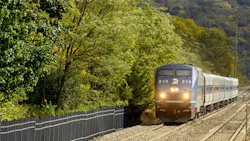
The Metropolitan Transportation Authority (MTA) is seeking proposals from railcar manufacturers for 252 new single-level passenger coaches for the Metro-North Railroad to modernize the system and improve service reliability. The competitive request for proposal (RFP) includes an option for the additional purchase of 377 cars, which would be reserved for any future expansions to the Metro-North service area.
“It’s time to upgrade the Metro-North passenger experience, with more modern, more reliable railcars, and this RFP is designed to get manufacturers and suppliers to think outside the box so they can deliver faster, better and cheaper than in the past,” said MTA Chair and CEO Janno Lieber.
The base order would replace coaches from the 1980s and 1990s that run on the Hudson and Harlem lines, representing 23% of Metro-North’s active passenger fleet. The authority says this is the first new Metro-North rolling stock coach purchase in decades.
“Replacing the aging Shoreliner coaches from the 1980s will give Metro‑North’s riders the comfortable and convenient ride they deserve and operators the modern and flexible equipment they need to support reliable service for the next 40 years,” said MTA Chief of Rolling Stock Jessica Lazarus. “The new approach in this RFP shows that the MTA is serious about being a better owner to attract multiple car builders with proposals that meet our rigorous safety and performance standards so we can close a deal that gives the MTA—and our customers the best value.”
The new passenger coaches are being funded by the MTA’s 2025-29 Capital Plan , which received $68 billion in funding from New York Gov. Kathy Hochul and the State Legislature in the fiscal year 2026 Enacted State Budget. This capital plan features a $12 billion investment in new rolling stock across the MTA system and includes $6 billion earmarked specifically for Metro-North to upgrade passenger cars and infrastructure.
This RFP is part of the MTA’s new Rolling Stock Program, which the agency says directs the MTA’s rolling stock strategy and ensures dedicated attention to the acquisition and lifetime costs for the MTA’s most strategic assets, including buses, subway cars and commuter rail trains.
The MTA notes that the contract gives manufacturers room to innovate within the parameters of accepted design practices while giving riders the best value for their tax dollars. There are three types of cabs in this order: cab cars with toilets, trailer cars with toilets and trailer cars without toilets. Each seat fits approximately 100 riders.
“Investing in new passenger coaches is a cornerstone of our commitment not only to the 250,000 customers who rely on Metro‑North each day, but also to the economic vitality of the region,” said Metro‑North Railroad President Justin Vonashek. “This competitive RFP invites railcar manufacturers to bring forward their best ideas and engineering solutions so we can deliver coaches that are more reliable, more accessible, and more comfortable for our riders. With support from the MTA’s historic 2025–29 Capital Plan, this procurement represents a major step in modernizing our fleet, enhancing the customer experience and preparing Metro‑North for future service expansion.”
The RFP outlines technical specifications that are designed to enhance reliability, accessibility, service, security, performance and the overall customer experience. This includes two ADA designated wheelchair areas per train car, ADA-compliant toilet access, higher quality announcement systems featuring an audio inductive loop for hearing impaired, high-resolution digital information screens, passenger Wi-Fi, device charging outlets, bike and luggage racks as well as enhanced safety measures, including onboard security cameras. The new cars are set to also be compatible with Metro-North locomotives and are designed to operate throughout the current and future Metro-North service territory.
The new coaches are also set to improve reliability with a higher mean distance between failure (MDBF)—a measure of how long a car can operate without issues, repairs or maintenance. Current cars have an average MDBF rate of 430,000 miles, compared to the new coaches, which will have an MDBF rate of 570,000 miles. This is expected to translate into a faster, smoother ride for more than 250,000 daily Metro-North customers.
The MTA says proposals will be accepted through October 2026. The contract will be awarded in early 2027, with new passenger cars anticipated to be put in service in 2029.