WA: Seattle Prop 1 approved, increasing sales tax to fund public transit
Seattle voters gave the green light Tuesday to raising the sales tax to better fund the city's bus service.
With Proposition 1 capturing 73% in Tuesday night's count, voters showed their continued willingness to raise taxes to fund a public service, following a decades-old trend in Seattle of approving transit-related measures.
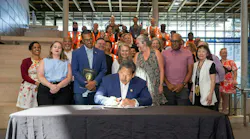
These are fantastic results," Mayor Katie Wilson said in an interview. "It shows that voters really understand how important public transit is to the quality of life in Seattle."
Wilson, who designed the measure, said she was watching the national results sweeping the U.S. leftward, but believed the measure would've passed regardless of the national mood.
"I think this is just Seattle loves transit," Wilson said. "This is a big affirmation of what we already know: Seattle voters believe in what government can do.
The Seattle Transit Measure will charge a 0.3% sales tax, about 30 cents on a $100 purchase, and raise an average of $138 million per year over the next 10 years aimed at expanding bus service and programs for people with low incomes.
The city says the median two-person household in Seattle will pay $29 more per person each year in sales taxes, for a total of $58.
Supporters of the measure argued that the people hit hardest by a higher sales tax rely on transit the most, justifying the trade-off. Keeping robust bus service is also key to the city's climate and traffic safety goals, they said.
Most of the tax, about $95 million a year, will help maintain the current level of bus service, but also support more frequent trips aimed at lower-income and more diverse neighborhoods, as well as late at night and over the weekend.
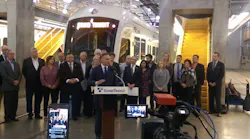
The rest will go to the Seattle Streetcar; transit access programs and education, including 12,000 annual passes for people living in Seattle Housing Authority units; Sound Transit 3 light rail projects; and transit infrastructure projects that help keep transit running on schedule and improve travel times.
Proposition 1 replaces the 2020 tax, set to expire next year. But its rate is doubled, and is expected to raise more than twice the revenue as global economic events — inflation, tariffs and war — push prices higher.
The transit measure nudges the city’s growing sales tax closer to 11%.
City voters coming to aid the transit budget has become a familiar refrain. The two consecutive measures this year's measure replaces — in 2014 and 2020 — both came during uncertain times for transit funding.
After years of avoiding cuts to service after the 2008 recession, King County Metro asked voters to fund a countywide roads-and-transit measure with a sales tax increase in 2014. When county voters rejected it, the city put its own transit measure on the ballot a few months later, which passed with 62% of the vote.
Six years later, as the measure was expiring, bus ridership plummeted in Seattle and across the U.S. in the early months of the pandemic. Four of five Seattle voters voted yes then to help buttress funding for local transit.
This marks the third time in a row voters will have increased the sales tax for transit.
As in 2020, there was no organized opposition, but the measure drew familiar criticism. The regressive tax weighs heavier on people with lower incomes, but census data shows that about 70% of people earning below $50,000 a year in the metro area use a car to commute.
Critics also questioned why consumers should pay more while a third of Metro bus passengers evade paying a fare to ride.
© 2026 The Seattle Times.
Visit www.seattletimes.com.
Distributed by Tribune Content Agency, LLC.