Seattle Mayor Wilson refers transit funding measure renewal, increase to city council
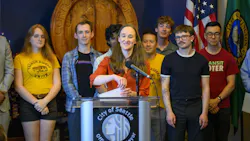
Seattle Mayor Katie Wilson unveiled a renewal effort of the Seattle Transit Measure—a sales tax measure that partially funds transit operations in the region. If approved by the city council and voters, the mayor’s office notes the measure would fund 280,000 King County Metro bus trips a year and 22,000 free ORCA transit passes for qualified lower-income residents over the next ten years.
“The Seattle Transit Measure is one of the reasons why the bus is an irresistibly good way to get around Seattle,” Wilson said. “Transportation is one of the biggest costs for most families, so these investments are essential to make our city more affordable so Seattleites can get to jobs, opportunities and each other without a car.”
The proposal would renew and expand the Seattle Transit Measure, which was previously approved by 80% of voters in 2020. The mayor’s office says the city uses the majority of sales tax revenue to pay for more transit service, especially at off-peak times. If approved by the Seattle City Council and passed by voters, the proposal will take effect in 2027 and last for 10 years.
“The Seattle Transit Measure bolsters transit service so our buses and streetcars run more frequently throughout the day and night,” said Seattle Department of Transportation Acting Director Angela Brady. “People need to get around at all times of the day and not everyone works a nine-to-five job. Frequent all-hours transit service is one of the most effective ways we have to make it more affordable and convenient to live in Seattle without owning a car.”
The mayor’s proposal calls for a 0.3% sales tax expected to raise an average of $138 million annually over the 10-year measure. This is estimated to cost the median two-person Seattle household about $58 a year. This replaces the current 0.15% sales tax expiring in March 2027, which currently costs the median household $29 annually.
Investments in more frequent and reliable transit service
The majority of measure funding would pay for extra bus trips. This would increase funding for bus service by about 50% and pay for 280,000 bus trips a year—100,000 more than are funded by the current Seattle Transit Measure.
The mayor’s office notes that bus service investments will be focused on the people and neighborhoods which depend on transit most. This includes east-west transit service, connections to light-rail stations and neighborhoods planned for housing and employment growth.
A hallmark priority of this measure, according to the mayor’s office, will be to create frequent transit service throughout the entire day, including nights, weekends and mid-days. The office reports that data shows that ridership during these off-peak times has grown faster compared to traditional peak commute times in recent years.
The funding is also used to pay for targeted construction projects to reduce transit delays at pinch points and build other improvements around bus stops.
The measure would also more than double the number of free ORCA cards given to people who need them most. This will add 12,000 more free ORCA cards for people who are Housing Choice Voucher participants, adding to the 10,000 free ORCA cards currently given to Seattle Promise Scholars, low-income Seattle Preschool families and Seattle Housing Authority residents.
The mayor’s office says the proposal was developed through community input on programs and services including surveys, community events and ongoing discussions with the Transit Advisory Board and Transportation Equity Workgroup. The measure also builds on the in-depth public engagement and planning that led to the 20-year Seattle Transportation Plan.
Seattle City Council will now review the proposal. The council is expected to hear public comments, deliberate on the measure and finalize the Seattle Transit Measure Renewal Proposal for potential referral to voters.
“Every time Seattle voters have been asked whether they want to invest in more and better transit, they have said ‘yes’,” said Transportation Choices Coalition Policy Director Katy Ricchiuto. “That says something about this city and who it wants to take care of. With more frequent service, better connections to light rail and expanded fare subsidies for tens of thousands of low-income riders, this measure will help Seattle residents get to the doctor, the grocery store, to school, recreation and jobs. Transportation Choices Coalition is excited about this proposal from Mayor Wilson. Seattle keeps choosing transit. We helped get the last measure passed, and we intend to help get this one passed, too.”