Government of Ontario invests nearly C$12 million in transit projects through OTIF
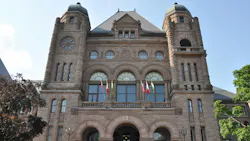
The government of Ontario is investing nearly C$16 million (US$11.6 million) through the Ontario Transit Investment Fund (OTIF) in an effort for transit operators in small and remote communities to build safe and reliable transit services. The government says the investment will support five projects benefiting 30 communities, protecting Ontario’s economy and connecting more people to jobs and opportunities across the province.
“Our government is investing in safe and reliable transit that keeps people moving, strengthens communities and supports a stronger, more resilient and self-reliant economy,” said Ontario Minister of Transportation Prabmeet Sarkaria. “No matter where you live, Ontarians deserve access to transportation they can depend on. Through the Ontario Transit Investment Fund, we are expanding transit options that connect people to jobs, housing and essential services.”
The OTIF is designed to support the start-up and expansion of transit projects like new bus services, on-demand rideshare services and door-to-door transportation. The program is helping municipalities, Indigenous communities and non-profit organizations deliver transportation services across the province—particularly in rural communities. This year’s funding is designed to support new and expanded transit services across the province, including C$3.4 million (US$2.5 million) for the region of Waterloo to introduce or expand transit services in Woolwich, Wellesley, Wilmot and North Dumfries, Ontario.
Projects funded through the investment include:
- Temiskaming Shores, C$4.9 million (US$3.6 million): Adding flex and on-demand options for fixed-route service and launching an intercommunity service connecting 12 municipalities and one First Nations community in South Temiskaming. It will also support first-mile and last-mile connections to the Northlander passenger rail service.
- Region of Waterloo, C$3.4 million (US$2.5 million): Introducing or expanding transit services in Woolwich, Wellesley, Wilmot and North Dumfries.
- Bradford West Gwillimbury, C$4.1 million (US$3 million): Expanding on-demand transit service and enhancing fare and service integration with LINX Transit in Simcoe County.
- Riverside Health Care Facilities, C$1.6 million (US$1.2 million): Launching an accessible transportation service between Fort Frances and Thunder Bay and expanding the Medically Stable Patient Transport program by adding stations in Rainy River, Emo, Fort Frances and Atikokan.
- Canadian Urban Transit Research & Innovation Consortium, C$1.65 million (US$1.2 million): Introducing a shuttle service that will connect St. Catharines and Niagara Falls GO stations to key destinations in Niagara Region.
“Through OTIF, our government is providing communities across the province with stable, predictable funding for transit services that will transform how people travel for years to come,” said Ontario’s Minister of Transportation Parliamentary Assistant Ric Bresee. “Today, we’re demonstrating our commitment to supporting communities and non-profit organizations across Ontario as they deliver reliable transit services.”
The province says the investment builds on its plan to strengthen transportation in rural, northern and underserved communities, including doubling annual OTIF funding to C$10 million (US$7.25 million) in the 2026 budget and bringing back the Northlander passenger rail service to northeastern Ontario.
About the Author
 Noah Kolenda
Noah Kolenda
Associate Editor
Noah Kolenda is a recent graduate from the Craig Newmark Graduate School of Journalism with a master’s degree in health and science reporting. Kolenda also specialized in data journalism, harnessing the power of Open Data projects to cover green transportation in major U.S. cities. Currently, he is an associate editor for Mass Transit magazine, where he aims to fuse his skills in data reporting with his experience covering national policymaking and political money to deliver engaging, future-focused transit content.
Prior to his position with Mass Transit, Kolenda interned with multiple Washington, D.C.-based publications, where he delivered data-driven reporting on once-in-a-generation political moments, runaway corporate lobbying spending and unnoticed election records.