VVTA, Riverside Transit Agency mark milestones in hydrogen-powered transit
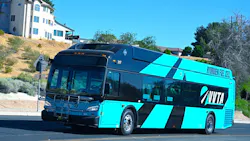
Two California transit agencies, Victor Valley Transit Authority (VVTA) and Riverside Transit Agency (RTA), have deployed hydrogen buses throughout its service areas.
VVTA begins introducing hydrogen fuel cell buses into its fleet
The VVTA has begun the phased introduction of 13 hydrogen fuel cell buses into regular revenue service. The buses are being deployed on routes throughout the system, including Route 15, which connects the Victor Valley Transportation Center with San Bernardino, Fontana and California State University, San Bernardino.
"This is an exciting moment for VVTA because our investment in hydrogen technology is no longer something we're simply planning for; it's here, and our passengers are starting to benefit from this today," said VVTA CEO Rod Goldman. "These buses represent our commitment to providing safe and reliable transportation while continuing to embrace technologies that make public transit cleaner, more efficient and more sustainable for the areas we serve."
During this period of phased operation, the agency notes it is collecting operational data, evaluating performance under real-world conditions and conducting additional testing as the buses operate throughout VVTA's service area.
"Today marks more than the launch of hydrogen buses; it represents another major step forward in how we serve our communities," said VVTA Chief Maintenance Officer Dustin Strandberg. "Putting hydrogen fuel cell technology into daily passenger service allows us to see these buses perform in the real world while providing our passengers with a cleaner and quieter ride. We're gathering valuable data today that will help shape how VVTA operates tomorrow, as hydrogen becomes the backbone of our fleet for years to come."
VVTA says hydrogen fuel cell buses works for the agency because of the size and diversity of the service area, as VVTA operates urban, rural and long-distance commuter routes across the High Desert and beyond, requiring vehicles capable of traveling significant distances while maintaining the flexibility needed for daily transit operations.
"For our residents, this is about much more than putting new buses on the road," said VVTA Board Chair and Victorville Mayor Liz Becerra. "It is about investing in the future of our region. Every time one of these buses goes into service, we are demonstrating that the High Desert can be a leader in innovation, sustainability and modern public transportation while continuing to connect people with jobs, education, healthcare and opportunity."
VVTA's hydrogen program builds upon the agency's previous investment in zero-emission transportation, including the introduction of battery-electric buses beginning in 2019. VVTA says Incorporating hydrogen fuel cell technology provides the agency with another zero-emission option designed to meet the demanding range and operational requirements of its expansive service area.
The agency notes the hydrogen program has required years of planning and preparation, including vehicle procurement, fueling infrastructure, employee training and coordination among VVTA staff and numerous public- and private-sector partners.
"Seeing these buses carrying passengers is where years of planning and preparation become real," Strandberg said. "We're learning from every mile these buses travel, and that information will help us build a stronger and more sustainable transit system. This is the future of transit arriving today, right here in the High Desert."
RTA unveils hydrogen fueling station and new buses
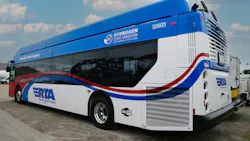
RTA has unveiled its new hydrogen fueling station and zero-emission hydrogen-powered buses at its headquarters in Riverside, Calif. The introduction of these buses marks the beginning of RTA’s transition from compressed natural gas powered buses to a fully zero-emission fleet.
“It is an honor to welcome our new eco-friendly hydrogen-fueling station and our first hydrogen-powered buses as we celebrate this exciting milestone for RTA and Riverside County,” said RTA CEO Kristin Warsinski. “Technology may drive progress, but it’s the dedication, collaboration and expertise of our workforce, board members and community who truly make advancements like this possible.”
RTA says the project was made possible through a combination of federal, state and local funding, including $4.89 million in competitive 5339 Low or No Emission funds that RTA secured to purchase its first five hydrogen fuel cell buses. The new hydrogen fueling station was built by Clean Energy.
“It has been a top priority for the RTA Board of Directors to bring Riverside County residents a greener public transportation service, and we’re proud to have reached this monumental milestone today,” said RTA Board Chair and City of Corona Council Member Jim Steiner. “The transition to zero-emission technology is a major investment in our county and in our workforce training. We’re proud to embrace the future of eco-friendly transportation and do our part to reduce our environmental impact."
About the Author
 Brandon Lewis
Brandon Lewis
Associate Editor
Brandon Lewis is a recent graduate of Kent State University with a bachelor’s degree in journalism. Lewis is a former freelance editorial assistant at Vehicle Service Pros in Endeavor Business Media’s Vehicle Repair Group. Lewis brings his knowledge of web managing, copyediting and SEO practices to Mass Transit magazine as an associate editor. He is also a co-host of the Infrastructure Technology Podcast.