City of Brownsville to pilot new cooling green bus shelter roofs
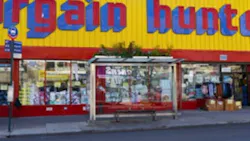
New York City (NYC) Mayor Zohran Mamdani and NYC Chief Climate Officer Louise Yeung announced the installation of four newly designed bus shelter roofs that aim to reduce heat along Pitkin Avenue in Brownsville, N.Y.
The project includes NYC’s first green roof bus shelter, hosting native plants, grasses and wildflowers that add greenery, support native pollinators and help cool the bus stop. The green roof delivers on a prong of plan outlined in Next Stop: Fast Buses, Better Service, Mamdani and New York Gov. Kathy Hochul’s plan to deliver an improved bus system for New Yorkers.
“Climate change is already redefining what it means to live in New York City, and our response has to protect New Yorkers where they are, including at bus stops. We are turning everyday infrastructure into an opportunity to make our neighborhoods cooler, greener and more resilient,” Mamdani said. “This pilot in Brownsville will help us learn what works so we can bring those solutions to more New Yorkers while making waiting for the bus safer and more comfortable.”
The pilot also includes three new heat-resilient roofs that use a low-cost, easily installed film to reflect sunlight and reduce temperatures around bus shelters.
This heat reduction measure comes alongside the recent announcement by the Metropolitan Transportation Authority that it would study thermal energy networks in an effort to reduce heat in its Brooklyn Bridge-City Hall 4/5/6 and Chambers Street J/Z station complex.
“New Yorkers deserve innovative climate solutions that meaningfully improve their day-to-day lives. The city is excited to kickstart an innovative bus shelter corridor pilot in Brownsville that will reduce heat, capture excess stormwater and make bus riders’ journeys safer and more comfortable,” Yeung said. “Realizing our vision of fast and free buses starts with improving the commuter experience, block by block. Over the next few weeks, we will work alongside community members and small businesses to understand what works and what can scale across the five boroughs to ensure no neighborhood is left behind.”
In partnership with Resilient Cities Catalyst (RCC) and the Pitkin Avenue Business Improvement District (BID), the pilot will test solutions to improve the passenger experience while addressing extreme heat and heavy rainfall.
The initiative is part of a broader partnership through RCC’s Small Business Climate Resilience Program to strengthen Pitkin Avenue as a more climate-resilient commercial corridor. The program aims to bring together streetscape improvements, targeted small business support and preparedness and community-centered public space activations to help businesses and communities prepare for extreme heat and flooding. Brownsville is among New York City’s most heat-vulnerable neighborhoods.
“We are excited to work with [the Mayor’s Office of Climate and Environmental Justice], Resilient Cities Catalyst and JCDecaux on these pilot installations to explore ways we can address rising temperatures and catch extra rainfall at bus shelters while making bus trips more comfortable for riders,” said NYC Department of Transportation Commissioner Mike Flynn. “As New York City sees hotter and wetter weather due to climate change, we must develop new ways of using green infrastructure to adapt.”
About the Author
 Noah Kolenda
Noah Kolenda
Associate Editor
Noah Kolenda is a recent graduate from the Craig Newmark Graduate School of Journalism with a master’s degree in health and science reporting. Kolenda also specialized in data journalism, harnessing the power of Open Data projects to cover green transportation in major U.S. cities. Currently, he is an associate editor for Mass Transit magazine, where he aims to fuse his skills in data reporting with his experience covering national policymaking and political money to deliver engaging, future-focused transit content.
Prior to his position with Mass Transit, Kolenda interned with multiple Washington, D.C.-based publications, where he delivered data-driven reporting on once-in-a-generation political moments, runaway corporate lobbying spending and unnoticed election records.