CA: A new ferry terminal could transform the Berkeley Marina. Some residents are not happy
A dilapidated pier at the Berkeley Marina could become a new ferry terminal under a proposal the City Council approved Tuesday, despite opposition from residents who said it would blemish the waterfront and disrupt a fragile ecosystem.
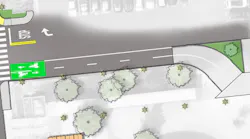
But supporters of the project see it as a productive use of crumbling infrastructure and an attractive commute option for people heading from suburban North Berkeley to jobs in San Francisco. In addition to creating a new terminal for electric vessels, the $139 million undertaking would include a protected bike lane and expanded bus stop on University Avenue, a plaza with a public restroom, new segments of Bay Trail, a fully renovated pier, and a reconfigured parking lot with electric vehicle charging stations. Besides serving commuters, water transport could be vital to the region should BART and freeways be knocked out in a major earthquake.
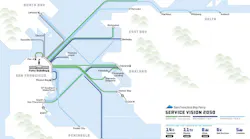
“It fills a gap in the East Bay between Richmond and Oakland along the most congested highway corridor in California,” San Francisco Bay Ferry spokesperson Thomas Hall told the Chronicle.
This vision, like the recently approved Hopkins Street bike lane or long-gestating plans for housing at BART stations, triggered yet another cutthroat battle over what the city’s future should look like, and who its public spaces should serve. Before the council voted unanimously to sign off on an environmental impact report and move the plan forward, people lined up to either characterize the terminal as a colossally expensive intrusion on scenic parkland, or a form of sustainable water transport that would divert traffic off the Bay Bridge.
“For me, this is about values,” said Jim McGrath, who moved to Berkeley in 1967, around the time the city secured permits to transform the marina from an industrial landfill to a park that “would remain recreational for all time.”
“Now I stand before a City Council that’s ready to ignore that promise,” McGrath argued.
Others, including a marina saxophone player and a hobbyist kayaker, worried about four-hour parking limits imposed by the ferry terminal that they said would inhibit people’s ability to enjoy the park and the bay. Some expressed anxiety about dredging that would be necessary to build boat landings. A few said it would turn a landscape of grass and trees into asphalt for ferry parking, though project proponents said the city planned to plant more trees than would be removed. People complained about the specter of noise or crowding and cited the need to conserve various endangered species.
Among the naysayers was former Berkeley Mayor Tom Bates, who invoked past unsuccessful plans to build high-rises in Emeryville and a shopping center near Frontage Road.
“Here we are again,” Bates said. “I really don’t think a ferry is the right thing to be in the Berkeley Marina.”
And then there were people like marina resident Michael Grindstaff, who expressed excitement about a vast new network of mobility and all the housing and job opportunities it would provide.
“It will change my relationship with the city,” Grindstaff said. State Sen. Jesse Arreguín, another former Berkeley mayor, spoke in favor of the project, which had drawn enthusiasm from residents and organizations in spite of the mobilization of negative feedback on Tuesday. In all, more than a hundred people had written in to express their excitement about the terminal, Hall said.
Officials in Berkeley closed the century-old municipal pier in 2015 after inspectors noticed its steel supports and concrete had deteriorated. Generations of Berkeleyans bemoaned the loss of a fishing spot and lookout point for extravagant sunsets.
Its successor, if constructed, would provide “1,400 linear feet of public access on bay waters,” said Berkeley capital improvement program manager Liza McNulty in a presentation to the council at Tuesday’s meeting. She displayed renderings of a promenade lined with lampposts and rain canopies leading up to the ferry gangway. The nearby plaza could be a “pop-up” setting for food trucks and gatherings.
Not everyone embraces this vision of the city, which has already required extensive parking studies and community outreach. While Berkeley does not have all the money for construction in hand, McNulty said the city will seek grants and funding from various government agencies. San Francisco Bay Ferry would operate the transit service.
Council members acknowledged their constituents’ fears about major construction and new public transportation in a shoreline park that many people consider sacred to Berkeley. Yet they saw the benefits of ferry service, a bike lane and a large plaza as far outweighing the perceived social costs.
“What I’m hearing from a lot of people is that this project represents a loss of what we currently have, a threat to the wildlife, a threat to the enjoyment you take from it,” Council Member Shoshana O’Keefe said from the dais. “I understand where you’re coming from. But I feel strongly that as a public servant I need to embrace change.”
© 2026 the San Francisco Chronicle.
Visit www.sfchronicle.com.
Distributed by Tribune Content Agency, LLC.