One word to describe yourself: Persistent
Alma Mater: University of Connecticut
Fast fact about yourself: I’m a huge Dave Matthews Band fan and have seen them perform at more than 30 venues across the U.S. It’s been a great way to experience different cities and transportation systems while enjoying live music.
What’s your best experience on transit and what made it memorable? Being able to ride the nation’s oldest continuously operating ferry service in the U.S. as part of my job has been one of my best transit experiences. Knowing that I’m traveling on a service with such a rich history makes every trip memorable, and the unique charm of the operation is never lost on me.
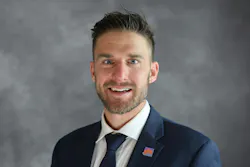
Gregory Tower serves as transit manager for the Connecticut Department of Transportation (CTDOT), overseeing CTtransit and CTferry. He also serves as CTDOT’s statewide emergency liaison, working closely with CTtransit operators and 12 additional transit districts to ensure continuity of service during storms and other emergencies.
His career began as a student bus operator at the University of Connecticut (UConn). Colleagues say Tower prioritizes safety and wellbeing for both operators and passengers, championing initiatives to reduce operator assaults through collaborative safety campaigns like “Educate Don’t Escalate,” and advancing investments in protective technologies such as improved lighting, barriers and onboard cameras.
Tower launched CTDOT’s first mystery rider program, which empowers staff to experience service from the customer’s viewpoint while gathering actionable insights to improve operations. He also played a key role in launching the state’s first statewide microtransit program and led the procurement and implementation of CTDOT’s largest battery-electric bus (BEB) program. When one of North America’s earliest BEB fires occurred during the program’s infancy, colleagues say Tower responded with decisive leadership, collaborating with internal and external stakeholders to develop operational standard operating procedures and risk mitigation strategies at a time when industry guidance was limited.
He created CTDOT’s first statewide transit district and branded service subrogation program to support smaller understaffed transit districts and developed a model to pool and leverage state resources. This program provides critical subrogation services, improving financial recovery processes and operational efficiency across the network.
Tower identified a critical need for commercial driver's license training across the region, so he launched a statewide training program to support smaller transit districts. This initiative provides accessible, structured training for both new hires and existing employees, enabling agencies with limited resources to develop qualified candidates into operators.
He frequently connects with regional transit agencies to exchange best practices and operational insights. He is an active participant in the Leadership Exchange program, a proactive, long-term leadership development initiative involving eight public transportation agencies across North America. This highly selective 18-month program is designed to prepare emerging leaders for executive management roles through immersive learning, travel to participating agencies and a focus on leadership core competencies, peer exchange and knowledge sharing. Through this program, Tower collaborates with major transit systems, contributing to a robust network of industry professionals dedicated to advancing public transportation. He also presents at industry events and ongoing peer engagements.
Is there a specific experience that led you to where you are today?
My career in transit began at the UConn, where I started as a student bus operator. What began as a part-time campus job quickly grew into a passion for transportation and operations. During my time at UConn, I advanced through several roles, including dispatcher, trainer and student manager, where I oversaw hiring and training. These frontline experiences provided a firsthand understanding of the challenges and opportunities facing transit professionals and continue to shape my leadership approach today—one rooted in operational excellence, teamwork and a strong appreciation for the employees who deliver service every day.
What do you enjoy most about your job?
What I enjoy most about my job is the variety of challenges that each day brings, no two days are the same in transit. I also enjoy the ability to see the direct impact of our work in the community. I’ve always been drawn to work where the results are visible and meaningful—you can see buses on the road, serving customers and connecting people to jobs, school, healthcare and other essential destinations There’s a real sense of satisfaction in knowing that the decisions we make behind the scenes translate into reliable service that people depend on every day.
What’s the most challenging part of your job?
As an oversight authority, we rely on external transit providers to operate our state-funded services, which makes strong relationships, trust and communication essential. Success requires balancing the priorities and needs of operating partners, customers, elected officials, community stakeholders and internal teams, all while maintaining a focus on service quality and accountability. Managing these relationships and priorities effectively is both the most challenging and one of the most rewarding parts of the role.
What is the accomplishment you’re most proud of and why?
Having the opportunity and privilege to serve in my current role is an accomplishment I reflect on often. Growing up in Connecticut, attending UConn and now overseeing CTtransit feels like a true full-circle moment. As both a proud Connecticut resident and lifelong transit enthusiast, I’m grateful for the opportunity to contribute to a service that connects communities, expands access to opportunity and improves the daily lives of people across the state.
What is an accomplishment you would like to work towards in your career?
One accomplishment I would like to work toward in my career is helping modernize the services we provide while building on the strong history and institutional foundation that already exists. As I continue to grow my career at CTDOT, I look forward to contributing to improvements in areas such as customer-facing service information, real-time service alerts, fare payment systems and contracts for service. My goal is to help create a more seamless, accessible and efficient experience for riders. Modernization isn't about replacing our foundation—it's about enhancing it to better meet the needs of today's and tomorrow's customers.
What is your best advice you can share from your area of expertise?
Always stay curious and never hesitate to ask questions. Every question is an opportunity to learn, grow and gain a new perspective. No matter how much experience you have, there is always something new to learn, and every question is a step toward personal/professional growth.
About the Author
 Brandon Lewis
Brandon Lewis
Associate Editor
Brandon Lewis is a recent graduate of Kent State University with a bachelor’s degree in journalism. Lewis is a former freelance editorial assistant at Vehicle Service Pros in Endeavor Business Media’s Vehicle Repair Group. Lewis brings his knowledge of web managing, copyediting and SEO practices to Mass Transit magazine as an associate editor. He is also a co-host of the Infrastructure Technology Podcast.