Infrastructure Technology Podcast: How technology impacts highway maintenance
Key takeaways
- How bus fares have changed over time: Mass Transit Associate Editor Noah Kolenda quizzes the rest of the hosts on the most expensive and cheapest bus fares in the U.S. and how those numbers have changed over time.
- Technology has helped expand career opportunities: Roads and Bridges Head of Content Gavin Jenkins interviews Don Strange, street and code division manager for Highland Village, Texas, and Susan Baillargeon, director of the Highway Maintenance Program at Front Range Community College, on how Baillargeon’s online program helped Strange begin a career in highway maintenance.
- The future of engineering: During the interview, Strange explains how programs like the one he participated in will train future engineers in the roads and bridges’ space.
- Public transit Q4 ridership: To end the episode, Mass Transit Associate Editor Brandon Lewis leads a game where the rest of the hosts guess ridership numbers for certain public transit agencies throughout Q4 2025.
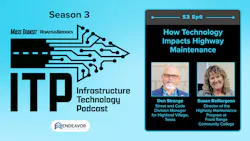




In this episode of the ITP, Mass Transit Associate Editor Noah Kolenda kicks things off with a deep dive into bus fare data from the American Public Transportation Association (APTA). Then, Roads and Bridges Head of Content Gavin Jenkins interviews Susan Baillargeon, director of the Highway Maintenance Program at Front Range Community College in Colorado, and Don Strange, a street and code division manager for Highland Village, Texas, and the program's first graduate. Strange credits the program with giving him the communication and leadership skills to finally secure a $250,000 self-contained pothole truck he'd been requesting for nine years. Mass Transit Associate Editor Brandon Lewis closes with a public transit ridership segment pulled from APTA's 2025 Q4 data, running the team through a game of higher or lower, comparing average weekday bus ridership across U.S. agencies.
Episode length:
1:04:15
About the guests
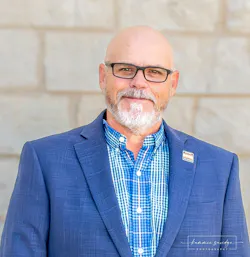
Don Strange is the street and code division manager for Highland Village, Texas.
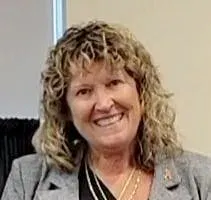
Susan Baillargeon is the director of the Highway Maintenance Program at Front Range Community College.
Here is a transcript from the episode:
GJ: And welcome to the Infrastructure Technology Podcast. I'm Gavin Jenkins, head of content for Roads and Bridges, and with me, we have Brandon Lewis, Jessica Parks, and we have our special guest today, Noah Kolenda. Brandon, tell us a little bit about yourself. What do you do for Mass Transit?
BL: Well, I am the associate editor and like you said before, Gavin, I am a little bit of jack of all trades, from print content to podcast content, to feature writing to social media, almost anything you see in Mass Transit I have my fingerprints on in some form.
GJ: Oh my goodness, you are a jack of all trades. Jessica Parks is the jack of all trades for Roads and Bridges. Tell the people a little bit of what you do, because honestly, I don't think Roads and Bridges would operate without you.
JP: Thank you. I do a lot of the writing. I update the website, edit the digital issue, come up with new content ideas, trying to optimize our digital platform and work on the podcast.
GJ: Yeah, absolutely. And Noah, you are a data guru over at Mass Transit, which is, if the listeners have figured it out yet, anytime you're here, we're going to be talking data. So other than sifting through all of the numbers and figures in the Mass Transit world, what else do you do over there at Mass Transit?
NK: Man, just like Brandon, it's kind of a little bit of everything. Feature writing, social video, data downloads, working on a ballot measure tracker for all the stuff that's going on in transit and elections.
GJ: A ballot measure tracker? That sounds fascinating.
NK: We've got some pretty fun stuff cooking up.
GJ: And so coming up on the show, we have my interview with Don Strange, who is a street and code division manager for Highland Village, Texas, and Susan Baillargeon, who is the director of the highway maintenance program at Front Range Community College. And so this conversation is a bit unique. It's going to be talking about a program at a community college, Front Range Community College I believe is in Colorado. So it is the only maintenance highway maintenance program that we can find in the country. It might be the only one. If we're wrong., it's one of a few and the technology that we discussed basically is how the internet makes it available to someone in Texas that they can take these online courses and that because of the internet, this community college can offer this niche program that helps out our industry. So that is the main over overarching thing. And then also if you're looking at this screen, we got four squares. We're each in a different state. We got New York with Noah. He's living it up in Brooklyn. We got Jessica, who's in Boston. We got Brandon, who is in a dumpster. I know, I'm sorry. Cleveland in Cleveland. He's in Cleveland, and I'm in Pittsburgh. We love to joke about Cleveland. It's such a great city, and the reason we all work remotely and the internet has changed our lives so much, it's changed the way we work. Thirty years ago, we would all be in the same office, and we would've all had to have moved to a city to have this job and work together, and that's what the podcast is really all about, is how the internet technology is shaping the industry, shaping our lives. And so there we go. But before we get to this interview about this program at the community college out there in Colorado, let's first turn to Noah and do this data download. What do you got for us today, Noah?
NK: Absolutely. So today, I thought I would bring you some data on bus fares throughout the U.S. So the American Public Transportation Association has recorded that 370 agencies offered bus service in 2025. And for this application we're just talking about standard bus service, so I excluded things like bus rapid transit or trolley bus service just to kind of keep things even, and so I was really curious if you guys would be able to guess a couple of the key facts and figures here. So out of these agencies, 370 of them are offering bus service and just over 330 of them charge fares for this bus service and so I'm curious if you guys can nail down the most expensive fare in the country and B, what the average bus fare is and then we'll take it back and see what it was 10 years ago.
GJ: Oh, that's fascinating. Alright, let's do this. What do you think, Jessica?
JP: The highest bus fare in the country?
GJ: Yeah.
NK: So this is also too, I'll note that this is for a single adult trip, so I didn't factor in any passes or discounts or transfer rates or anything. So just single adult bus fare for one trip.
JP: For me, there's obvious ones. I am sure people think the big metro cities, but for me, I think that I would think it's a more rural area, that it's harder, that buses are less common, I would guess. I'm trying to think. I maybe guess somewhere in the Midwest probably. Let me, maybe I almost want to guess Cleveland or something.
GJ: No, it's not Cleveland. Cleveland is a beautiful city that has heights.
BL: Boy, do we.
GJ: It's a beautiful city. We joke about Cleveland, but Cleveland rocks. I love Cleveland.
JP: Yeah, I'm just thinking like a city that isn't, I feel like New York City, their buses aren't insanely expensive because they subsidize 'em. You know what I mean?
GJ: Yeah, I hear what you're saying because so many people in New York ride the buses.
JP: Exactly.
GJ: That they don't need to have it that high. Exactly. I get what you're saying, and I think that it's possible that I think maybe we're thinking that's why Chicago might have the most or possibly like Dallas or Houston. I'm thinking Dallas, Houston, Chicago, somewhere. I agree with your thought that it's not necessarily a coastal city like LA or New York, but it's somewhere in the central part of the country, so that's what I think. Brandon, are we warm? You don't have to. I'm sure you know the answer as a Mass Transit person.
BL: No I don't.
GJ: Oh, you don't know the answer.
BL: I actually don't know the answer.
GJ: Do you agree with our thought process on this?
BL: I think your theory is I think there's potential, but I still think that because there's so many riders that I think that they still, because of the way the economy works in these cities, I still think it's one of these major, I want to say it's New York. I really do. Just because of the fact there are so many people riding. I get the theory behind it, but I think that ridership in New York compared to even Dallas or Chicago is so astronomically big that the fare is just going to be bigger because of that.
JP: So then my brain also went the other way too when I was thinking where my awful guess to Cleveland, but my other thought was like San Francisco just because it's so expensive. Everything is so expensive there.
GJ: San Francisco is a good guess. Is there any possibility that it's a curveball city like Miami, where everything's also expensive, but there might not be. The buses are really necessary for so many people in Miami, and the way Noah reacted when I said Miami, if you already, he went, ah, like that. I think I might be onto something there. I'm going to guess Miami is the highest.
NK: Okay, so does everybody feel confident in their answers? We ready for the big reveal?
GJ: Hold on. So I'm saying Miami, Brandon is saying New York, and Jessica's going with…
JP: I’ll go San Francisco.
NK: Okay. So Gavin and Jessica, you guys were on the right track, right idea. Wrong coast/ coastal city. So the highest bus fare actually comes from Santa Barbara County Association of Governments for its clean air express bus service, and they charge $8 per job for that service. That's up from $7, which they were charging in 2025, but I just grabbed the new fare yesterday morning, and it is up to $8 this year.
GJ: Can you imagine what you can get in Cleveland for $8?
BL: Four bus trips.
NK: Yeah, that's 2.5 bus trips here in New York, and just for listener's sake, to kind of set the scene. So here in New York, our current MTA fare, subways buses, your standard transit fare right now is $3, so relatively speaking, quite a bit more over there, and the thing is, too, this is also what's the best, an auxiliary service to other bus services that happen in the county and surrounding area, so this isn't necessarily rider's only choice for bus service, it's just one of the choices in the Santa Barbara area, so yeah, $8 for the highest bus fare in the country. But now, I'm curious, knowing the highest and kind of getting a little bit of setting in reality with the MTA bus fare, do you guys have any guesses as to what the nation's average bus fare is?
GJ: Wow.
BL: I'm going to go with $2.75.
GJ: Can we know the lowest?
NK: Oh, sure. Absolutely. So the lowest bus fare currently being charged outside of the free bus fare or free bus services that are being offered is currently $0.50 being assessed by four agencies. That's the Muncie Public Transportation Corporation, the Arc Tech Rural Transit District, the Electric City Transit, and city of Anderson, South Carolina and City of Los Angeles, LA Dash and Dash Commuter Express buses are only charging $0.50 for their fare.
GJ: Muncie is in Indiana, right?
NK: Yes.
GJ: Okay. Indiana is a lovely state and so in LA, you can get a bus for $0.50?
NK: So it's not like L.A. Metro's buses, it's the Los Angeles Department of Transportation's Dash and Dash Commuter Express Bus service, so it's just another sliver of bus service in the LA area.
GJ: Okay. That's weird, so we're going from $0.50 to $8?
NK: Yes.
GJ: Alright. I'm glad none of us chose LA for that first one. That would've been way off. Wow. You said 2.75, Brandon?
BL: I mean that's what I'm going to go with. I mean, I would say most of the fairs that we cover at Mass Transit are probably between about $2 and $3. I know here in Cleveland our fare is $2.75.
GJ: $2.75 In Cleveland?
BL: Yeah, so I feel like it's about the average from what I've seen. It may be again, a little higher, a little lower, but that's the number I'll go with.
JP: When I lived in New York, it was $2.75 still. Yeah, I'm going to just go with $3.
GJ: I'm going to go $3.25. That's going to be my guess.
NK: Okay. Well, unfortunately, you all are quite a bit on the high end. So the middle America kind of smaller regional transportation agencies really drag down the average bus fare.
BL: Makes sense.
NK: So in the United States, the average bus fair is only $1.57, surprisingly, and it was really, there were only a handful of agencies that really kind of exceeded that $3 mark and a lot of them were like $1 or under, kind of pulling that average down. And so just in the interest of time here, we can run through the historical things instead of having you guys guess. So the data has picked up 50 more agencies in the past 10 years that are offering bus service since 2015 and 18 agencies in 2015 didn't charge for their bus service, as opposed to 47 who currently don't charge for bus service in 2025. And surprisingly, the average fare for buses in the U.S. went down a penny in 2025 as opposed to 2015, so the average bus fare in 2015 was actually $1.58.
BL: Oh, wow.
NK: So it's down $0.01 from 10 years ago, and so it's just kind of interesting to me to see how over a 10-year period, the average has actually gone down as opposed to inflation, which we would have not been having this conversation if we were talking about the rate of inflation and some other little notable things like some transit agencies like the Potomac and Rappahannock Transportation Commission dropped its fare from $7.50, noted in 2015, to a $1.55, noted in the 2025 data,, so it sounds like some agencies have been able to pull on new funding measures and have been able to shift some of their revenue from fareboxes to other things, whether it be like grants or federal funding or what have you, tax revenue to be able to pull that fare down.
BL: Well, and I wonder if that has to do with the pandemic and maybe there's some major services that during the pandemic, agencies instituted free fares and then when they came back, maybe just because ridership increased or whatever the reason may be, they decided then that they can get funding from other avenues as opposed to charging fare again.
NK: Definitely, yeah. That economic development that can be generated from just increased usage of these transit systems can really do measurable good in communities in a way that can outweigh the charging affairs, sometimes for the Roads and Bridges team, who may be a little confused.
GJ: Let's get back to Santa Barbara for a second. So $8. Do you get free ice cream when you get onto the bus? What is $8? Is it just because you said it was the bus is electric? Tell me a little bit about why it's so high there.
NK: So from my understanding, it is a little bit of a couple of reasons. So kind of like you were saying, it is the Clean Air Express, so it does sound like they're using some zero-emission propulsion technology for the bus that's running the route, and on top of that, from my understanding, the routes that are being covered by this service are a little bit longer. Well, they're not necessarily considered commuter bus routes in full length like that. They're longer than a standard couple of blocks or a couple of blocks per stop style of root design, so you're kind of getting a little bit further from that same fare from my understanding, as well as experiencing that zero-emission propulsion.
BL: That would make more sense. I would think that if there's a longer route, the higher the fare would be.
JP: I have a question. So do you think that any of the reduced costs in fares has to do with maybe the transportation agency experiencing any reduced costs for maybe switching their fleets to more efficient ones that are more fuel efficient or electric?
NK: There can definitely be savings from making those switches. I wrote an article earlier this year where transportation agencies who are making that zero-emission switch have been saving so much and operating costs that they've been able to invest more in their infrastructure and build out, for instance, microgrid technology at their bus facilities, which means that they have batteries on site that they can store excess energy in case of power loss or they'll put solar panels on top of the bus facility to be able to capture sun energy and charge those zero-emission buses. And Brandon is also working on something, where I can actually let you explain, but service upgrades have allowed agencies to save more money based on efficiency.
BL: Yeah, I mean there's just a lot of projects out there going on with zero-emission and just I think that the more we see these agencies transition to whether it is all zero-emission or just diesel powered, they're finding ways to save money through different avenues.
GJ: Fascinating. This is really interesting stuff. I tell you what, have any of you ever been to Santa Barbara?
JP: No.
GJ: So I think it was my first year, towards the end of my first year in charge of Roads and Bridges editorial, I got to go to the National Asphalt Pavement Association. It had its annual meeting in Santa Barbara, and I got to go and stay at the Ritz Carlton in Santa Barbara right on the beach, and Santa Barbara is one of the most beautiful places on earth.
BL: I've heard that.
GJ: They got hiking trails in the hills, beaches, a beautiful downtown area with a pier.
BL: That's awesome.
GJ: It’s gorgeous, and I mean obviously I didn't ride the bus, I had a rental car. But yeah, it's just such a lovely place, and it's very expensive. So that tracks to me, absolutely. I mean, I think Oprah lives in Santa Barbara and as this Dick Wolf, the creator of all those Law and Order shows. So yeah, rich area, great. Zero-emission buses and the highest rate in the country. Alright, well Noah, thank you so much for hopping on and giving us this data download about fares across the country and buses. We will get to my interview right now with Don Strange and Susan Baillargeon.
GJ: Susan Baillargeon, Donald Strange, welcome to the Infrastructure Technology Podcast. How are you two doing today?
DS: Wonderful.
GJ: Okay. Well, I'm really glad that you could join us. I think that a lot of our listeners are going to be intrigued by this program. I guess first up, Susan, our first question is for you. Take us back to the beginning and what gap in the industry did Front Range Community College see that sparked the creation of the Highway Maintenance Program?
SB: Oh, that's a great question. So, oh boy. Several years ago, probably almost 10 years ago now, at least nine years ago, the Colorado Department of Transportation was looking for folks to fill leadership or supervisory positions within the agency, but they couldn't fill them. Their folks were not prepared. They didn't have the leadership skills or the supervisory skills. They hadn't trained them to do those positions, so they approached Front Range and asked if we could help or if Front Range could help. It was way before my time. I've only been there seven years. The request actually came from the industry, from Colorado DOT. They needed folks to fill those positions, and they weren't ready within the agency. They were forced to look outside the agency, and it had detrimental effects internally in the agency, so they wanted something that would prepare their people so that they could give them a career path and let them promote from within.
GJ: Well, you said that you weren't there at the beginning. Do you know how long it took to develop the curriculum? And first off, I guess before you answer that, let's take a step back and just describe the curriculum itself.
SB: So the curriculum is one of the unique things about the program or what makes it really unique. One third of the curriculum is using the employee's experience on the job, so they come in with their, so most of these folks in public works and state DOT’s, they get their safety training, they get their asset management training on the job. They get their preservation and preventive measures, training on the job, doing those actual tasks. They learn them incrementally. So those kinds of things, we don't want them to have to sit through a classroom to relearn that, right. They bring that knowledge to the classroom, so we evaluate what they've done in the certificates that they bring to the course, and if the competencies that we're looking for in our training or in our courses are there in the certificates that the students are sending us, I'm able to write crosswalks to transcribe those credits back over to the student's degree.
GJ: Let's pass it over to you, Donald. So tell me, what was it like being a student in this program and how did you come to it?
DS: So my genesis story is my director had come into my office. If you can imagine any public works organization, you have multiple divisions and departments, and you have people that get water license, sewer license code enforcement, all the different, there's never been anything for pavement. So my director had approached me and asked me to either develop or find something so that we could get the pavement guys were certified, so that they could receive CT pay and improve the quality of the work and so forth, and so I said about that, and then in doing so, I met someone named Paul Woods, who eventually wound up at Front Range, and he reached back out to me once he got at Front Range to help them move it along.
GJ: Okay. The reason why I had you on the podcast is because what's one of the things that's unique about it is that it's online, and that's where it falls into the sector of the technology podcast. And so all of the courses are online?
SB: Correct.
GJ: So you're getting students from all across the country.
SB: Don's in Texas. He's our first graduate.
DS: Yeah, I'm in Texas, and I'll tell you, Gavin, an interesting thing about myself I find interesting is when I started this, I had a GED. I didn't even have a high school diploma at the age of 54. Life had thrown some things at me, so I didn't get to finish high school, so I started this whole journey with a GED and now here I sit with a bachelor's degree and working on a master's in Doctoral, so I always say, ‘If I can do it, anybody can do it’.
GJ: Oh my God, that's so cool. Well, what was it like going through the classes and kind of how did it prepare you for your career?
DS: Well, I was at the end of my career, to be honest with you. I've been in public works for 40 years, but what it did, it gave us more credibility. We can talk about it more or later, but I have some real world examples of how not just having the degree, but what it took to earn the degree helped me gain credibility and get some things that I've been trying to get for a long time that are now happening.
GJ: Well, let's talk about it now. Go ahead and dive in. How did it give you credibility?
DS: So one of the things, when I first came to Highland Village, I came in as a superintendent of the street division. In order to move up to manager, you had to have a degree so that was also something I got from Front Range. Once I got that associate's degree, it made me eligible to promote up but from day one, with all my experience in the street department, I'd been asking for a very expensive piece of equipment. You may be familiar with it, the pothole truck, the self-contained pothole truck, $250,000 purchase every year for nine years straight. I got told no. As we sit here today, it's been ordered, and we're waiting for it to get here, and I got my bachelor's degree back in May, so I won't say having the degree alone gave me more credibility, but also the way that I approach leadership and ask for it, I got the tools to ask better questions, I guess, or present better. But that's a real world example of something that I've been trying to get for 10 years and got told no and earning a degree and the skills I got while I was going to school helped me present my case better to the council. And yeah, we actually got it this year.
GJ: That's great.
SB: Also, a really good example of why this is important to some of those folks out there, why it's important to promote these people from within. Someone from outside of Don's agency may not have come in with the knowledge of why they needed that machine the way they needed it or couldn't have made that case as well as he did, so I think it's an important point to make.
GJ: Yeah, absolutely. Sue, walk us through the courses. What are some of the core courses, names of classes that you offer, and what are some of the foundational competencies that students leave with?
SB: So for the highway courses, all the certificates and those things that I was talking about, some of those include the certificates that they can bring to me that will actually get them kicked off one third of the way complete before they ever even take their first class. They will have a third of the credits, 33% of the credits. So some of those are, they bring the OSHA 10 certificate, for example, and I can give them credit for that. They have to take the 1001 course, that's our flagship course. That's the one everyone takes, kind of sets them off. It's the first one that they take. It's the Intro to Highway Maintenance Management, and it's really just a way to validate their experience and share their knowledge with the other folks that are in the class and just sort of get used to online learning at the college level. So that's some of them, the asset management, so I've done some work to go to places where they typically will get this training on the job. Anyway, the big players, National Highway Institute, American Public Works Association, ASH to ATSA, American Traffic Safety Services, those places that offer these specific or these specialized training courses for these folks. So I found in a lot of those places, either very inexpensive or free courses that give them the competencies we're looking for, so they can go out there, and they can take those courses if they have a cost to them. A lot of the agencies will pick up the course, the cost. It's not usually a lot for an agency and then they send me those certificates. Asset management is one. I have crosswalks for National Highway Institute for some of the ltap S across the country. Local technical assistance programs and things like that. Also, things like preservation and preventive measures. I have five certificates that they can go to the Aashto site, and if they give me all five of those certificates, I can give them the credit. I've had recently because the government had taken down some of those sites. A lot of them are, AASHTO is a government site, and they took it down, so they could rework some of the language that was in some of the courses and programs, so those aren't available right now. So I've had to go out and look for others. So National Highway Institute has some free ones that I've found as alternatives, things like that. And then the two that are really, I think where I have a lot of flexibility, and Don might disagree with me because I made him actually work hardest for a lot of these. He was the first one to actually go through the entire program. So in order for him to do that, I had to have a way for him to progress, but in the beginning, I didn't know what prior learning assessments really how they worked or really how to go about it. So learning from Don, mostly he really taught me a lot about how to do this program. He probably doesn't know that, but because of his feedback and the fact that I had to give him a path, I had to provide him a clear path through it that made me go out and look for those ways for him to progress. He did it the hard way. He wrote portfolios for me, and he did things like that. Some challenging exams, I think, but he did mostly, I think portfolios that got him the credit. But through those portfolios, I was able to go out and look for other places that people were going for their training where I could find those competencies, so I'll be forever grateful to Don for helping me get that. I wouldn't have even known where to start. So for the highway courses, that's pretty much how it looks. And then they send me their CDL. They get six credits for that. They send me their four FEMA courses, 100, 200, 700 and 800, and I'm able to give them six more credits, which those courses, I believe are backed up on the FEMA website. Those were taken down as well. I just did some work. I added four classes to the program for heavy equipment operations, so students who have heavy equipment operations certificates can bring me those, and I can transfer those as well, and it also goes well with some work I've done with Don individually for his heavy equipment operations program down there. That'll be an easy crosswalk for them for the rest of them. So that leaves five general ed courses: the math, the English, the computer, the public speaking and then the social sciences, so they're there. There's a set group of them that students can choose from. They only need one from each category and a lot of those students will come in with credits from other colleges that they just didn't finish or whatever, and they've been sitting there and didn't know what to do with them, and they're finding that they're transferring over, so they're still useful, and that's very helpful. So these students who bring those credits start even further along. They may be 45% complete before they ever take their first class and that leaves the six management courses that are left. Things like human resources, supervision, intro to leadership management, project management and then we took out the ethics course because I know that in public works and in state DOT’s and most of the public agencies around the country, these people are getting their ethics training anyway every year. They're getting it. It's an ongoing thing. So we kind of took that out and what the industry was asking for more was a higher level communications course, so we took the business communications, and we took out the ethics course, and we added the business communications in there instead. They can take both, but that's the one we're asking for, just to satisfy what the industry wanted and to sort of make that a more effective program. So what that does, once they send me all those certificates, if they don't have other college credits to transfer, that leaves them 11 classes to take. And when you look at it that way, it seems just a little more doable, right? It's just a matter of ticking off the boxes, checking off the boxes as you go down, so students find that a little more palatable when they're starting from nothing.
GJ: Don, was it palatable?
DS: So yeah, again, with me starting without any college credit at all, the very first class I took was English. Sue and some other people had told me I was going to be writing a lot of papers. That's what I tell. I actually have four of my staff that work for me now are enrolled at Front Range, and that's my advice to all of them is to take English first. You're going to be writing a lot of papers. It's a good skill to hone anyway, because again, when you're doing presentations and trying to get information out to the public, being able to communicate effectively in writing or face-to-face important. So probably the thing, it is a funny story because the thing I struggled with the most, I did graduate, and only say this, not to brag, but just to show people that you can do it, but I did graduate top of my class and was asked to give the speech at graduation, but the classes I struggled with the most was the career math class, and I find that funny because my job here, my day-to-day job, I manage multi-million dollar budgets, but I did not know before taking these classes, accounting and math are two different things.
GJ: Oh, heck yeah. So tell me, Don, I am fascinated by, so you have four employees underneath you that are enrolled right now and so you're a street and co division manager for the city of Highland Village in Texas and that public works department, how many people are underneath you there?
DS: There's 542 total. There's seven street employees and one code officer. And again, I'm going to say this just because Sue hears it all the time, the fact that there's not anything for pavement staff is actually ridiculous. When you think it costs $1.5 million to build a one-mile road in Hall Village, we manage 400 miles of roads. You could sell all the other departments and only pay four or five miles a road, so you have your most expensive asset being managed by people without a specific certification or degree. It never made sense to me, but now we have a way, so the guys that are working for me who are going to replace me someday, hopefully they're going to be prepared, and they're going to have this degree and they're going to be able to just step right in.
GJ: Whenever you're talking to people in the public works industry, and you tell them about this program, what do they say?
DS: Oh, it's very positive. In fact, I just got back from Colorado. I was teaching some ltap classes there in Colorado. And every place I went, it was the main topic. I was teaching a class on roadside drainage, believe it or not. But every class came back to this degree, and they all wanted to know how to do it, where to get started. And if you think of, I've also said this before, in Texas you have TDOT, but we have 244 counties, 2,400 municipalities. They all have their own street departments.
GJ: How big is the population of Highland Village?
DS: Highland Village is 18,000.
GS: Okay, alright.
DS: It's not big.
GJ: It's not big, but for something of 18,000, it's still a pretty big public works department.
DS: It's being received very well. Like I said, I'll say it again. It's the most expensive asset any municipality has as pavement, and it's really kind of ridiculous when you think there's no specific degree or there wasn't a specific degree or training for the people managing your most expensive assets so thanks to Sue.
GJ: Sue, question for you is have other colleges reached out to you guys at FRCC to try to emulate, piggyback off what you've done?
SB: Yeah, that was kind of the plan all along. When this was all being presented to me back in 2019 when I started this job at my interview actually in January, they told me that there were over 400,000 people that do this work in the country, and that was a while ago. That may have changed. I don't know if it's more or less now, but we could never handle that many people if they all wanted to, even if a fraction of them wanted to come here, it would still be an overwhelming thing. Our hope was that once it took off, other schools in other parts of the country would copy us. We would share our model with, I give them all of them that call and ask the whole model, ‘here's how we did it. This is what we did’, but nobody has taken it and gone the next step with it yet. I'm not sure why. I know that it's a hard sell. I think for a lot of schools to take on something that's so different here at Front Range. At the time, we had a vice president that was more than willing to, she saw the need and industry approached her, so I mean, that was kind of a switch. Usually the school will go to industry and say, ‘Hey, we thought of this idea’, but in this case, it was flipped around. They had the need, and they came to us, and we're unique that way. When I go out and talk about this, that is not the case in most places when we talk about advisory committees here at Front Range Community College where all CTE or career and Technical Education programs have to have advisory committees, none of them have the type of advisory committee that we have. Our programs started with an advisory committee. Most of these other programs were built, brought to industry and then they brought in their advisors. It was the other way around here. It has been driven by industry from day one, and we'll continue that way at least as long as I'm here.
GJ: And also, this program wouldn't exist if it wasn't for the internet and because of that though, I wonder, is it difficult to help get students on the job training? So let's say that someone wasn't already in the public works department, one of Don or one of the people underneath him. How would they get, if they're taking these classes, how would they get on the job training while they're taking these courses?
SB: Well, here at Front Range, we are very fortunate that our local technical assistance program is housed here. We are partners at the school. We do very different things. Heather Carlson's the director here, and she's out in Colorado delivering all those trainings that we are awarding credit for. Don has agreed to come and teach for Heather here in Colorado in the LA program. So because he knows what the, well, he knows the work. First of all, he's a subject matter expert, but he also knows, and he's the perfect advocate for the need for these folks to get out there and not just get this degree, but to promote themselves, right? This is how they're going to do it if they find opportunity here, and that's what most of them do. They're coming here from outside, so before I go there, back to the Ltap thing here at Front Range, I'm sending them to Ltap, which has a road and bridge Institute that takes folks from outside of the industry. Anybody, if you're a high school graduate, if you are changing careers, you could be maybe a retiree looking for something else. If you come to the road and bridge institute, it's a three- to four-week long program that is free for anybody. Anybody can come for free, and she offers them also transportation and housing, all kinds of support services if they need it to take this three week program. She brings them to wherever the courses are taking place, gives them lunch, does the whole thing, and they leave that program with the Ltap Rhode Scholar. One certificate that I transfer over for credit, they leave with the NOSA 10 certificate that I transfer for credit. They leave with the preservation courses that they need for credit. They also leave with much more than I could ever give them here. They leave with the opportunity for FCDL that the LTAP program will pay for. So once they go to work for an agency, if they go to work for an agency, Heather will work with the agency and support them paying for the CDL. If they don't go to work for an agency, I think they go, and they take the CDL training on their own, and she supports them that way. The goal though, is to get them into an agency, get them someplace where they need these CDL drivers where they're already investing in them and then share that cost. One of the things that happens is, and you've probably heard this, I know you've heard it, Don, is ‘Well, I'm going to invest all this money in them. I'm going to get them a CDL’ and then two months later, they're going to go down the road and for a quarter, more than an hour, they're going to work for the three towns over, and I'm going to lose them. And all that investment, this sort of eases that a little bit, takes a little bit of the sting of some of that initial investment when they're doing the CDL training off of the agency, kind of shares it. One thing we found though, is that maybe they will leave, but eventually they may also come back. Many of them return. It's like 60% of them I think come back.
DS: We have a saying here that quite honestly, we anticipate that, but we say, and we really believe it, a rising tide lifts all boats. People that we help train up here that go somewhere else, they're going to help that public works department. Elevate helps our entire industry elevate, and if they stay in our area, we partner with all our other cities for emergency operations, all kinds of things, so that's a little bit of a different perception for me anyway. I don't see it always as a negative. If they do train up with me and go somewhere else, I actually track the people that have left me and gone into leadership roles at other places, and I chalk those up as wins. That's us helping the whole industry.
GJ: Absolutely. Well, let me ask you this, Don. Can you give an example of a real world challenge where the skills from the program directly influenced your decision making or problem solving?
DS: Oh, yeah. So one of the examples I'll give you, I have a guy that started working for me 10 years ago as a street tech. This gentleman came to work for me. He was a go-getter. He had the drive, working him through our program that we've got going now, and we're working with Front Range, but he now, as we sit here now, this guy went from a street tech to now he's director of public works for a city twice the size of this one.
GJ: Oh, wow.
DS: And 10 years ago, he didn't have a college degree, and he was patching potholes. Now, he's director of public works for the city of Bedford. That's a real world example of how someone can accelerate through this program. Now they have to be motivated, and I'll say this, Gavin, not everybody is motivated. We have guys that just want to operate backhoes. That's all they want to do, and we need those people, and that's fine, but I think what Sue and I have created and what I've actually seen happen with my staff, like I said, I got four people going through it now. They take what they learn on job sites as a manager. I'm not having to be as involved day to day. They're solving problems out there that they weren't probably able to or weren't going to before they had the confidence to do so. Like I said, I see it daily, them making decisions, purchasing decisions, leadership decisions in the field. It's improving our industry.
GJ: Speaking of the industry, this question can be for both of you, but looking ahead, how do you see, let's say that more institutions, more community colleges get a program like this. I imagine if Colorado DOT reached out to you guys, Susan, I imagine other DOT’s in the future, especially with the labor crisis as it is, will start to reach out to other community colleges in their states. So if that were to happen, how do you see the role of highway maintenance professionals evolving over the next decade? And I guess that part can be for Don, but for you, Sue, the follow up to that would be how can programs like this aid the industry? Should there be classes that have more simulation? Just really dive into the technology, AI, that sort of thing. Don, let's start with you. How do you see highway maintenance evolving?
DS: So my biggest argument, not really an argument, but one of the things that I've said for many, many, many years before this program ever came around, and it's not going to be a popular statement, but engineers don't always make the best directors of public works, but if you look around, especially in Texas, most directors of public works are engineers, so what I think is going to happen is it's going to open the door. You're going to have credentialed qualified people with a maintenance mindset, rather a build new things mindset, so I think you're going to have better run public works department. That's not to say engineers can't do a good job and they don't, but it's going to open the doors to people who maybe didn't have these opportunities and will take it in directions we probably have never thought of before, so it's going to matter.
GJ: So Sue and I met at Public Works Expo in Chicago in August, and that was the theme of the lecture where we met and so I think that you're on target, Don. I know it's not a popular opinion yet, but I think that there's definitely a lot of people that are changing their minds on that, especially with how much money engineers require for a director position. So yeah, I think you're on target. So Sue, given that maybe more public works departments in cities across the country are going to be looking at people other than engineers for these kinds of positions, what can institutions do to improve the classes so that students are better prepared?
SB: So before I go to the classes and answer that question, let me just go back to what Don was just saying. He's right. That's what's happening out there, and the sad part about that is that there are the maintenance technicians that are the ones that are looking for this program or maybe even they're at the crew leader level or the first line supervisor level. They are not looked at as professionals by the rest of the industry. They are not, in fact, they are actively looked at as non-professionals. In some states, they are labeled non-professionals in some states by their unions, which I think is a real shame, but they're not seen as professionals. But if you go out and you follow them around for a day or get in one of those pieces of equipment that they're operating and watch what they're doing, they are tasked with highly complex jobs that require incredible critical thinking skills, problem solving skills, all kinds of background knowledge. They are professionals in their field, and they need to be looked at that way, and I think that what this degree does, and as it grows and more and more people want to not only provide it for their employees, but offer it in schools and however it does grow, I think that is going to be the game changer to really professionalize this industry, to get them seen internally and externally as the professionals that they really are, so that's bothered me for a long time that even when I started back in 1987, when I came into this industry, we were the bottom of the barrel. We were the last ones called to clean up. We were the first ones there to set everything up and the last ones out cleaning it up at the end of the day or whatever it was, whatever the job was, we were always there, but never invited in on any of the higher level conversations. We weren't part of the planning or any of that. We were just giving the order to go in and then come back out and leave it in great shape, so I think the game changer there is that these folks will be seen differently as professionals within the industry and within their communities. So now back to your question about, I think you asked how do we keep the courses relevant or how do we keep up with…
GJ: How do you see the courses evolving? What needs to be done? Does there need to be more simulation?
SB: Oh yeah. They're evolving all the time. Like I said, the program changes, right? So we added a course, the industry, we review it all the time, and we went back and said, ‘Look, here's the competencies that we're giving them’. What's missing? And I think we used Don in this case because he had taken the higher level. He got his BCI here at Front Range as well, his bachelor's, so we asked him what was missing? What else would you need at the next level? So we added that in. Industry agreed at the associates level. That was important as well, so we added that, and it's always changing, and it's changing because of the input and the feedback that we get from the industry leaders and our advisors. We have begun the conversation, and I can't say too much about this yet, but we have begun the development of our bachelor's degree for skilled trades. It doesn't have a name yet, but it will encompass all the skill trades. It'll be able to be a track for highway students. There'll be a track for welding students, for HVAC students and all those skill trades of the four schools that want to work with us here in the Colorado Community college system right now, so that's our exciting news for the future, but we will have our same advisory committee for our BAS. They're driving this and have been since the beginning.
GJ: Okay. Alright, Sue, Don, thank you so much for joining me on the Infrastructure Technology Podcast.
GJ: And we are back. That was my interview with Don Strange and Susan. What did you guys think? We'll start with Jess.
JP: I am such a big fan of Don Strange. I thought I learned so much from him going through that program, and I thought it was really interesting just the way that program, I know he is kind of in the same role, however, going through that program allowed him to advocate for himself better when requesting new equipment, and it just allowed him to make more evidence-based arguments that I think really did just benefit him in the workplace and his role.
GJ: And he was really able to help out his community of Highland Village in Texas, and that program really helped him out. Brandon, what did you think?
BL: So it's funny because my biggest takeaway actually has nothing to do with technology. It's got nothing to do with infrastructure. It's just that, and we say this all the time, it's kind of a cliche, but it's true that you can always go back to school and anything that you want to set your mind to, if you have ambition, if you have the will power, everybody sometimes will tell you, ‘Oh, you can't afford this, or you can't do this because this timing. It's like BS. Whatever you want to do with your life, make it happen because this world is your oyster.
GJ: Oh my. You're like John Locke. Don't tell me what I can't do. No, you're absolutely right. If you put your mind to it, you can do it, absolutely. Alright, so we still have Noah on the show. Noah Kolenda, who's our data download guru from Mass Transit, and he's going to stick around. We're going to talk some more data here from the Mass Transit side. Brandon, what do you got for us?
BL: We are, so today we're talking about a lot of data. We're talking about a lot of buses. What I did is I pulled from APTAs 2025 Q4 publicly available data. I pulled the top 20 U.S. transit agencies, their average weekday ridership, so that's important. Again, you figure weekends more people and the numbers would be higher, so this is average weekday ridership. And so these numbers that I'm going to give you, these are numbers that are in thousands of riders per weekday. So for example, if I say an agency, their number is 100. That's actually a 100,000 people that are riding on a certain transit system per weekday. So again, I pulled the top 20, and we're going to play a little game of ahead or behind, so I'm going to give you the number 10 agency on this list, and I'm going to pick another agency, and you guys are going to have to determine whether that agency had more weekday ridership than the average or less. So number 10 on this list, Gavin, you actually mentioned this city a little bit earlier in Noah’s segment to kick off the show. It is Miami Dade Transit’s bus system, and for that bus system they had an average weekday ridership of 178,000 people. The first agency I'm going to ask you about takes place in Gavin, one of your favorite cities, and if you guys can't tell, I'm using this as sarcasm because we're talking about Vegas, the RTC of Southern Nevada. So do you guys think that they had more ridership per weekday than Miami per weekday? 108,000 people per weekday in Miami? That's what it
GJ: I'm going to say it's less. I think Vegas, it is not as big as Miami, and I think most of the people in Vegas drive cars. So think, I bet Vegas is like 12 or 15 on your list. What do you think, Jess?
JP: I am so split. I definitely think it is less, but then I do think that there are people that move there just to get a, I think a lot of people move there without cars originally, I would guess.
GJ: You know what, if you think about it, so many people who work in Las Vegas are living outside the city and busing to work really low paying jobs. And then you have the tourists who are there who fly there and then use the buses to go from up and down the strip.
JP: I'm really split.
GJ: You're actually right. An argument can be made that it's actually really high on the list, maybe around five instead. So Noah, I'm going to go over.
NK: I'm still kind of leaning lower, like it's lower on the list because thinking it's a Q4, I know conference season has wound down, so I'm not thinking there's less traffic there because of that and also less traffic around the holidays. I'm kind of thinking it's just going to be lower overall. And also too, I don't know. if I'm going to Vegas, I don't think I'm going to personally as a tourist take the time to figure out the buses. I think I'm just going to walk or Uber, so I think in my heart of hearts, I'm going with lower.
BL: So the RTC of Southern Nevada, they came in at 11th on the list. Just beyond Miami. They had an average weekday ridership of 166.5.
JP: Wow.
BL: And that’s thousand.
JP: That's high.
GJ: And honestly, I feel like most of those people are in the towns around Las Vegas riding in to be dealers and clean and work as servers and bartenders and stuff like that.
JP: Definitely.
BL: Alright, next let's go to a city that I've actually been to that's not in Cleveland, that's not in D.C. We're going out to the Rocky Mountains, Denver, Colorado. So the Denver Regional Transportation District, the main sort of overarching agency in Denver. Did they have more bus ridership during the week per day than Miami? I've only been again outside of Cleveland a few places, but I love Denver. I would go back in a heartbeat. My brother moved out there a few years ago. I've been back twice. He told me the other day it was 90 degrees, and I was completely jealous, so I have nothing but good things to say about Denver.
GJ: Nineties, not fun. Eighties, fun. Nineties, not fun.
JP: I like 70s.
GJ: Yeah. So wait, so Brandon, curious, we're going to have a little tangent here, just out of curiosity. So you're from Cleveland. We all agree that Cleveland's a beautiful city. You've been to D.C., you told us about the transit system in D.C. and how accessible D.C. was for you. You've been to Denver. Where else have you been?
BL: That's it.
GJ: You've never been anywhere other than Cleveland, D.C. and Denver?
BL: Correct?
GJ: Alright, we got to get you to Pittsburgh. So Jess, you say it's less.
JP: I think less, yeah.
GJ: Ridership per day, which would mean it's higher on the list, so I'm going to agree with that only because I think that there's just more people in Miami than in Denver, and I think the people in Denver are all just hipsters that are smoking marijuana cigarettes and going to ski.
NK: So I think I'm personally going to have to lean higher, and my reasons are very not good analytical reasons. I'm just thinking like, ‘Oh, we've been getting a lot of releases from Denver RTD, they've been doing a lot of stuff with the transit system. They're working on transit oriented development and redeveloping a lot of their parking ride sites, and they're really coming up and are doing more for their service’ and so something in me is screaming that they have higher ridership even though I feel like that's wrong. So even though I think it's wrong, I'm going to lock in higher ridership.
BL: Miami Dade Transit again comes in at number 10 with 178,000 people per day. Denver RTD comes in at number nine.
GJ: You know, why are you doing this?
JP: You made that so suspenseful. I was like on the edge of my seat.
BL: 179,000 people a day. That's how we do it, baby. A thousand person difference.
GJ: 1,000 person difference. Also, we should guess by now that you're going to just give us number nine and 11 as the answers, and we're trying to guess that is such a Brandon game to play.
BL: I have one more for you guys. Dallas area Rapid Transit, DART in Dallas, Texas.
GJ: Yeah, that is way more.
JP: I have no idea.
GJ: No, it is so much more. Dallas is massive, and Dallas is so spread out. It is sprawling. I would say that that's in your top five. That is one of the highest in the country.
JP: I'm going to go with Gavin because that all makes sense to me, and I don't know enough about that.
GJ: It's probably just number eight, but I would say that it's number four or five.
NK: So I feel like I might have an unfair advantage on this one, even though I could totally be a 100% wrong. Just knowing all of the strife that's currently going on with that agency and everything that's going on with funding and the possibility of cities trying to leave the agency and everything like that, my mind is going less like ridership just because there've been so many struggles. I think that ridership has been one of the contributing factors to the situation, so I'm going to go with less, even though again, I think I might be wrong.
BL: Actually, Noah, you're right.
NK: Oh geez. Woohoo.
JP: I haven't gotten one, right.
BL: It is 18th on the list.
JP: 18th.
BL: And for Q4, it only had about 87,000 people running per day. Which again, Noah, maybe to your point, it may be having to do with some of that. I was also thinking too, I know Dallas is, and what they're doing there with DART, the new Silver Line that just came out, they are really promoting a wider rail line, and I think that that may have to do more with it. Maybe more people are taking more trains than buses.
NK: Yeah, that's a very fair point.
GJ: Now, does DART also include Fort Worth?
BL: No, that is Trinity Metro
GJ: Brandon, thank you so much for a lovely game. I have to ask, getting back to you for a second though, where do you want to go that you haven't gone?
BL: Arizona, surprisingly.
GJ: Yeah. Why Arizona? Well, Arizona's just a state. So do you want to just travel to the state? Do you want to see Phoenix? Do you want to see the Grand Canyon? What is it that you want to see?
BL: I think Phoenix, I've heard a lot of good things about Phoenix. I don't really know the areas. I said Arizona for two reasons. Number one, I can't stand the cold weather. And Arizona is one of the, obviously I know it's dry heat, but it is one of the hottest states. It may be the hottest. I'm not sure on that. The other reason is actually more of a personal reason. It's just that they are actually statistically the best state in the country at supporting those with disability when it comes to just resources and financing and all that. Ohio is actually middle of the country, but Arizona for whatever reason is number one in terms of provide ability in those areas.
JP: As in do they have good accessible infrastructure, as well as, or more like services?
BL: I think it's more on the services side, so housing and things like that that they provide in terms of grants, that obviously is different per state.
GJ: Interesting. I never knew that about that. I've been to Phoenix a couple of times and early on in my job here at Roads and Bridges, I went to Tucson for a trade media event and then I rented a car in Tucson, and I drove all the way up to the northern part of Arizona, so I drove the length of Arizona and went to the Grand Canyon for the first time. And breathtaking obviously. But what's interesting is how a lot of Arizona is pretty flat, especially in the Phoenix area. And so yeah, I can see that. It makes sense to me that Phoenix would be really accessible and everything that you said. That makes sense.
JP: Brandon, I remember from an earlier episode you said you want to go to Las Vegas. That's on your bucket list, too.
GJ: Vegas is on the bucket list.
BL: Just to gamble, baby.
NK: I felt that though. I want to put $1 into one slot machine, pull the thing and then walk away. That's all I need.
BL: It's an experience to do it in Vegas.
JP: Yeah, it is.
GJ: And that's part of my reason why I don't like Vegas is because it's not. There is a casino in downtown Cleveland that I've gone to.
BL: Yes, there is, but it's trash.
GJ: Trust me, Brandon, I've been to your casino in Cleveland. I've been to multiple casinos in Las Vegas. They're the same.
BL: There's just something about being in that, and again, maybe it doesn't have the glamor anymore because of all the legalization of betting and all the casinos everywhere, but it is still, the original origin of it is just something, I don't know.
GJ: I understand you've romanticized it through the movies that you don't watch just in our culture. Have you ever seen Oceans 11?
BL: I've never even heard of it.
GJ: Oh my goodness. Have you ever seen, Oh, in a Casino with Robert De Niro and Joe Pesci?
BL: I've heard of it.
GJ: So okay, Las Vegas is a city in the desert built by the mafia to bring in people to gamble. And now gambling's everywhere. It's not unique in any way. And also Phoenix is another city in the desert that it's just like, why are you here? But it's strange.
BL: Maybe I just like the desert. I don't know.
NK: It sure sounds like it.
JP: So I think walking, so I just did my first trip to Vegas in January, and the casinos, it was a little nice where the Bellagio and stuff, the rest of the casinos were whatever. Some of the actual buildings I thought were really cool. The Cosmopolitan and the Gio I thought were really cool, but I did think walking this trip was something unique and especially even though it is Disney World, it's just in your face. Super. I don't know, but I did think it was an experience that I'm happy I did that I don't necessarily need to do ever again.
BL: It goes back to what I said Gavin, about your interview with Don and Susan: experience things.
GJ: You're right, and that's a great way to come full circle with another great episode of the ITP. Noah Kolenda, thank you so much for joining us and bringing your data, and Brandon, thank you so much for sharing so much about your experiences with travel and the bus fairs and the ridership stats, everything, Mass Transit team A+ all around. And Jessica, thank you so much for being the jack of all trades that you are. And also thank you to Endeavor B2B, our parent company, for allowing us to have this wonderful podcast. And thank you to the listener. Be sure to email at us at [email protected], and we'll be back next week with another show. Until then, goodbye.
About the Author
 Brandon Lewis
Brandon Lewis
Associate Editor
Brandon Lewis is a recent graduate of Kent State University with a bachelor’s degree in journalism. Lewis is a former freelance editorial assistant at Vehicle Service Pros in Endeavor Business Media’s Vehicle Repair Group. Lewis brings his knowledge of web managing, copyediting and SEO practices to Mass Transit magazine as an associate editor. He is also a co-host of the Infrastructure Technology Podcast.