MARTA Mobility app launch provides new, streamlined interface for booking and managing trips
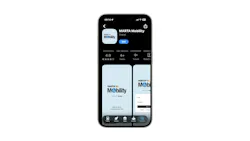
The Metropolitan Atlanta Rapid Transit Authority (MARTA) launched its new MARTA Mobility app and web platform. Powered by RideCo, the new scheduling and dispatching system offers riders a faster, easier and more accessible way to manage their travel.
The modernized platform allows MARTA riders to have three ways to book, change or cancel their trips: through the new app, a new web portal or by continuing to call MARTA Mobility.
“The launch of these digital tools empowers our MARTA Mobility riders to schedule and track trips themselves, allowing them greater convenience and flexibility with the paratransit services many rely on, and with dynamic routing, smarter driver scheduling and a seamless interface that combines microtransit and paratransit, this technology is helping us deliver more efficient and reliable service,” said MARTA Interim General Manager and CEO Jonathan Hunt.
Features designed to enhance the rider experience
The rebranded MARTA Mobility app delivers a suite of features, including:
- Real-time ride tracking: Riders can see their vehicle on a live map, view driver details and monitor estimated arrival times.
- Instant notifications: App users can receive text alerts and automatic notifications for trip confirmations, vehicle assignments, approach updates and trip reminders.
- Streamlined trip planning: Passengers can book, view and manage trips all in one place.
Beyond providing improved customer experience, MARTA says the new software is more efficient and reliable. Routes are automatically recalculated every 20 seconds based on real-time traffic patterns, driver availability and cancellations. The agency says this automated scheduling and dynamic routing reduces operational costs, maximizes vehicle and staffing resources and reduces passenger wait times.
About the Author
 Noah Kolenda
Noah Kolenda
Associate Editor
Noah Kolenda is a recent graduate from the Craig Newmark Graduate School of Journalism with a master’s degree in health and science reporting. Kolenda also specialized in data journalism, harnessing the power of Open Data projects to cover green transportation in major U.S. cities. Currently, he is an associate editor for Mass Transit magazine, where he aims to fuse his skills in data reporting with his experience covering national policymaking and political money to deliver engaging, future-focused transit content.
Prior to his position with Mass Transit, Kolenda interned with multiple Washington, D.C.-based publications, where he delivered data-driven reporting on once-in-a-generation political moments, runaway corporate lobbying spending and unnoticed election records.