MBTA expands Transit Screens @ Libraries initiative
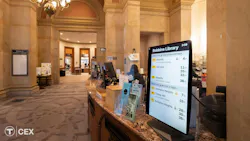
The Massachusetts Bay Transportation Authority (MBTA) is growing partnerships with community libraries as part of the Transit Screens @ Libraries initiative, which brings real-time transit information into local libraries. MBTA says the initiative is expanding the reach of real-time information beyond stations and vehicles, making it easier for those who use community spaces to plan trips before they travel.
“Providing real-time information in places that riders can easily access it helps riders allows the public to make informed decisions, building confidence in using the [MBTA] and minimize stress,” said Massachusetts Department of Transportation (MassDOT) Interim Secretary and MBTA General Manager Phillip Eng. “I've heard directly from the public that they want to know when their train or bus is arriving, so they can plan their commute. Our teams listened and created solutions with the support of partners like local libraries. Modernizing the [MBTA] isn’t just about track and fleet improvements, it also means improving and providing clear, accessible communication that helps riders make informed decisions.”
The authority notes that community meetings and surveys show that riders value accurate and reliable predictions, dedicated sources of real-time information and clear current-trip details. Currently, Transit Screens @ Libraries is deployed at libraries across the greater Boston region.
“The Massachusetts Library System is thrilled to connect local libraries to this unique offering at the MBTA,” said Massachusetts Library System Executive Director Sarah Sogigian. “Libraries have reported that the real time transit screens are appreciated by both patrons and staff that use public transportation. Community collaboration is essential to serve residents of the Commonwealth, and we're pleased to have helped contribute to this success."
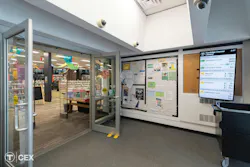
MBTA notes the initiative is powered by open-source software developed by the MBTA’s Technology Innovation Department (TID), which began digital signage initiatives in 2019. Libraries can deploy screens in ways that fit their space and budget—from low-cost Raspberry Pi setups to commercial displays—making the program both flexible and scalable.
“Framingham State University is delighted to add enhancements for our student, faculty and staff populations, along with the broader community at large, that contribute to their ease-of-access to regional public transit systems,” said Framingham State University Associate Vice President of Facilities and Capital Planning Ryan Hacker. “Our proximity to the MBTA Commuter Rail is linked through the Metro West Regional Transit Authority bus service and provides a critical connection for users of the Whittemore Library on our campus to the regional population.”
MBTA says Transit Screens @ Libraries is led in partnership with The Lab at MassDOT, which supports testing and scaling low-cost, community-centered solutions. The Lab evaluated the first year of the program through observations and qualitative research with library staff, helping refine the model and demonstrate how statewide collaboration can improve public services.
According to the authority, Transit Screens @ Libraries complements the MBTA’s broader digital signage efforts, which include installing real-time displays inside and outside rapid transit stations and at bus stops across the system. The MBTA plans to explore expanding this model to universities, museums, town halls, senior centers and other public buildings.