WMATA engages Indra Group for customer terminal, ticket vending machine upgrade
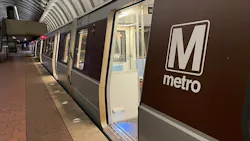
The Washington Metropolitan Area Transit Authority (WMATA) engaged Indra Group to renew the automatic ticket vending system in the agency’s entire subway network. The purpose of the contract, which will start with a base amount totaling $38.9 million and potentially rise to $75 million with all options included, is to improve accessibility and passenger experience.
The project includes the design, manufacture, supply and subsequent maintenance over the next 15 years of new customer terminals to replace the current fare vending machines. A total of 450 terminals will be installed at 98 stations on the five subway lines managed by WMATA, as well as at WMATA’s training and testing facilities.
"[WMATA] serves hundreds of thousands of customers every day, and we’re focused on making every part of their journey easier,” said WMATA General Manager and CEO Randy Clarke. “These new customer terminals will provide a more cost-effective, intuitive experience while supporting the payment technologies customers increasingly expect. This investment modernizes a critical part of our system and creates a platform that can adapt as technology and customer needs continue to evolve.”
Indra Group says the contract strengthens the fulfillment of the company’s growth strategy, which includes the recently opened manufacturing facility in Olathe, Kan., where part of the production process on the new customer terminals for WMATA will be performed.
“We’re delighted to have become a technological partner of the Washington Metropolitan Area Transit Authority with this project, as it strengthens Indra Group’s leadership of public transportation technology, with which we’ve secured highly significant contracts worldwide in recent years,” said Indra Group Mobility Business Senior Vice President Raúl Ripio. “Indra is making a firm commitment to the United States, where we’ve just opened a new factory to develop the next generation of systems for the FAA [Federal Aviation Administration], and we’re undertaking trailblazing projects for traffic, connected vehicles and much more.”
Improved accessibility and enhanced user experience
The new terminals aim to provide universal accessibility through larger, high-resolution touch screens and an enlarged smartphone-type interface, which is designed to guide passengers with clear instructions and simple flows in accordance with users’ unique needs.
The terminals comply with ADA standards through natural language assisted audio, a high-contrast screen and tactile elements to ensure the elimination of potential barriers.
The new system is also designed to enhance the experience of travelers from other countries or who speak languages other than English, via its support in up to 15 languages in alignment with WMATA’s Language Assistance Plan.
State-of-the-art technologies
With open and scalable modular architecture, Indra says its terminals are capable of integrating advanced technologies, including account-based ticketing, bank card and smartphone payments and digital wallets for mobile phones. Further, Indra says its solution is designed for integration into the existing back office and access control systems of the Washington subway network.