Linking Yard Performance to On‑Time Service: An Operational Perspective
Key Highlights
- Real‑time yard visibility reduces delays and improves daily rail service readiness.
- Integrated yard intelligence strengthens planning, dispatching, and operational flexibility.
- Modern rail systems rely on accurate asset awareness to ensure reliable, efficient service.
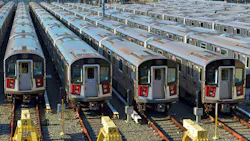

Every rail operator knows the feeling. The morning pullout is approaching, the schedule is tight, and somewhere in the yard a vehicle that should be ready is not where anyone expected it to be. Multiply that uncertainty by dozens or hundreds of railcars, add maintenance cycles, inspections, cleaning requirements, and last‑minute service adjustments, and the yard quickly becomes one of the most complex environments in any passenger rail operation. What happens in those overnight or midday hours when vehicles are off the mainline often determines how smoothly the next service window runs. Yet many agencies still rely on manual processes, radio calls, and spreadsheets to manage this critical domain.
As passenger rail networks modernize and expand, the need for precise, real-time yard and asset management has become impossible to ignore. The yard is the heartbeat of the rail system. Without reliable visibility into vehicle location, condition, and readiness, even the most carefully planned schedules can unravel. That reality has driven a growing interest in solutions like SmartYard from Clever Devices, which help agencies move from reactive coordination to proactive, data-informed control. The goal is not technology for technology’s sake. It is about bringing order, predictability, and efficiency to the place where every service day starts and ends.
Inside the Rail Yard: Why Complexity Is Growing
Rail yards were never designed for easy navigation or quick decision making. Tracks intersect tightly. Movements must be controlled carefully. Trains arrive from service with their own set of needs, whether mechanical work, interior cleaning, inspections, or repositioning for the next run. Historically, the only way to track these activities was through employee knowledge and manual updates. That experience remains essential, but today’s rail environment demands more. More vehicles, more data, and tighter operational expectations require stronger tools than manual processes can provide.
How Yard Visibility Shapes Reliability Across Today’s Passenger Rail Networks
The cost of limited visibility is felt across an operation. Vehicles may be misplaced or difficult to locate. Maintenance may not know a train has returned or what issues were logged during service. Planners may not have a clear picture of which consists are ready for deployment. Yard movements become inefficient, often involving unnecessary repositioning or extended searches for equipment. These seemingly small delays tighten maintenance windows, reduce dispatching flexibility, and create preventable pressure on staff.
Real time yard and asset management begins to reverse this. Systems like SmartYard offer an accurate, continually updated view of the yard, giving staff clarity on each vehicle’s location, arrival time, reported defects, and readiness for service. Instead of a chain of phone calls and manual checks, teams work from a shared, reliable picture of the yard. Decisions become faster, more coordinated, and less dependent on guesswork.
From Yard to Mainline: How Asset Awareness Improves Maintenance and Planning
Maintenance operations may be the biggest beneficiaries of this shift. When a train enters the yard, its health data can be available immediately. If onboard systems detect faults, maintenance crews can prepare before the vehicle even stops. Assigning work becomes more efficient because teams know what is required, where the vehicle is, and how long each task should take. This reduces uncertainty, boosts productivity, and tightens turnaround times. Over time, this means improved service reliability and a healthier fleet.
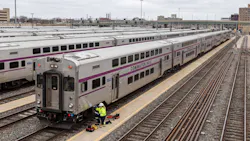
Planning and dispatching gain similar advantages. With real time visibility into vehicle readiness, agencies can adapt quickly to unexpected events. If a consist scheduled for the morning pullout requires additional work, dispatchers can identify an alternative without scrambling. When unusual weather or major events require fast adjustments to service levels, planners can respond confidently because they know exactly what is available in the yard. These moments influence passenger experience directly, and stronger yard management helps agencies meet expectations.
Why Modern Rail Systems Depend on Clear, Real Time Yard Management
Safety is another area where better information makes a difference. Rail yards are busy, controlled spaces, and unnecessary movements create risk. When staff have reliable visibility into where every train is located and what movements are planned, miscommunication and conflict are reduced. Digital recordkeeping also supports compliance by automatically documenting inspections, maintenance actions, and vehicle histories.
SmartYard was designed to support this more modern approach to rail yard oversight. Drawing on Clever Devices’ experience with real time operational intelligence, SmartYard provides an interactive map that updates automatically as vehicles move. It connects location data to maintenance workflows, linking operations, maintenance, and planning in one shared environment. Instead of disconnected systems and manual logs, agencies gain an integrated platform built to support efficiency, predictability, and safe movements throughout the yard.
The power of modern yard technology comes from how it complements the expertise of yard staff. Experienced yard masters, operators, and maintenance teams know their facilities deeply. Digital tools give them better information, not replacements. The partnership between frontline knowledge and real time data helps agencies operate in ways that were not possible even a decade ago.
The future of North American rail depends not only on new vehicles or expanded routes. It depends on the systems behind the scenes that make everything work. Yard and asset management is one of the strongest levers agencies can pull to improve efficiency, reliability, and safety. Modernizing it creates benefits that echo through the entire organization.
As agencies plan for what comes next, one conclusion is clear. Real time, data informed yard management is no longer a luxury. It is a foundational capability for any rail system committed to dependable service and resilient daily operations. Tools like SmartYard help agencies take that step in a way that reflects the realities of today’s rail environment and the expectations of the passengers who rely on it.