Op-Ed: Aggression toward mass transit employees is on the rise
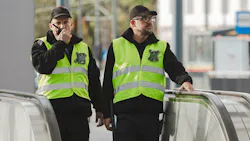
Aggressive passenger behavior has become a persistent operational challenge with real consequences for transit agencies. According to new research from global analytics firm, 3Gem, commissioned by HALOS, 42% of frontline workers faced customer aggression in the last month.
Of 1,500 U.S.-based frontline employees polled—including those in public transit—nearly 40% said customer aggression has increased over the past year. Further, more than one in three said they've taken time off because of customer aggression, indicating we're no longer dealing with an isolated safety issue. Aggressive passenger behavior has become a persistent challenge that brings forth real operational consequences.
The normalization of abuse
Almost 90% of those polled said customer abuse or aggression has made them feel increased stress at work in the last 12 months and 63% said they have experienced reduced confidence doing their job.
But perhaps even more troubling than the negative effects on employee wellbeing is the fact that many employers aren't taking the issue seriously. Case in point: 37% of frontline workers say their employer treats abuse like it's "just part of the job." That cultural acceptance of abuse may be the biggest barrier to solving it.
Transit operators must show unequivocally that staff is supported if an incident occurs. That reporting will lead to action, yet the research found most respondents don't believe that is the case. Only a little more than half (55%) agree that reporting incidents leads to meaningful action.
Zero tolerance policies and protocols
So, how should operators respond as pressure mounts for them to have employee protection protocols in place?
A three-point approach is needed:
- The research made it clear that employees want protection and enforcement. The first step to delivering that is to make it perfectly clear that there is zero tolerance for staff abuse. When an incident occurs, there needs to be a quick, clear and consistent process for reporting, as well as visible support from leadership. And perhaps most important is consistent follow-through.
- Transit operators need to have the right technology in place to protect staff. According to the survey, 53% of respondents said visible safety tools deter abuse and 51% said better technology would make them feel safer on the job. Body-worn cameras, CCTV and security presence can help reduce uncivil passenger behavior and ensure staff that there is always an extra set of eyes on the scene.
- Behind the scenes resources are needed to provide 360-degree staff safety and operational coverage. Evidence management software for evidence collection and case building is essential for when an incident occurs, and in crowded, fast-moving public transit settings, it's inevitable. Things happen. If an incident escalates, you know you have footage.
Customer aggression has become a workforce challenge as much as it is a public safety challenge. Left unchecked, it contributes to burnout, absenteeism and employee turnover, all of which have significant operational and financial implications.
Transit operators that combine clear policies, visible support for staff and the right technology will be better positioned to protect employees, improve service reliability and reinforce public confidence in their networks—especially as transit usage climbs during the summer months. This issue should be front and center for all operators.
About the Author
 Alan Ring
 Alan Ring
CEO of HALOS
Alan Ring is the CEO of HALOS, a body-worn camera and artificial intelligence platform company focused on frontline safety in private sector environments. HALOS supports teams dealing with real-world conflict and risk every day by providing technology that helps them operate more safely, transparently and efficiently.