St. Louis Metro to launch single-car pilot, aims to increase efficiency and reduce costs
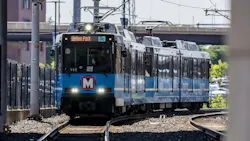
The Bi-State Development Agency of the Missouri-Illinois Metropolitan District (St. Louis Metro) is set to launch a pilot program in October that aims to study whether operating single-car MetroLink trains in certain instances, instead of normal two-car trains, could increase efficiency and bring down operating costs while maintaining rider satisfaction, service reliability and safety. St. Louis Metro says the single-car pilot will be conducted in phases, beginning on Oct. 3 and ending in spring 2027. The initial phase will start with only one single-car train operating on both MetroLink’s Red and Blue Lines as part of normal service for two weeks.
“We know many riders remember trial periods with single-car trains in the past and have concerns, but we are taking a very deliberate approach with this pilot so that we can thoroughly study the impact to operations, customer experience and possible savings to make the best decision for long-term service, said St. Louis Metro COO Ron Forrest.
During the pilot, St. Louis Metro says it will conduct a detailed analysis using operational performance data, passenger feedback and ridership numbers to evaluate the efficacy of one-car trains for long-term use and in specific areas and conditions. The agency’s initial analysis suggests that single-car operations have the potential to generate annual maintenance cost savings between $800,000 to $4.8 million.
As stewards of public tax dollars, St. Louis Metro says it works to maximize its resources to operate as efficiently as possible while maintaining quality service. Once the pilot begins, the agency says it will ask riders to provide feedback on their experience to inform any long-term decisions on using single-car operations.
The pilot does not include any service reduction, as MetroLink will maintain its expected frequency and schedule throughout the pilot. St. Louis Metro says it will suspend the single-car pilot during special events when peak ridership is expected and during planned track maintenance requiring single-track operations when trains in both directions must share a single track at affected stations during daytime weekday service.
About the Author
 Noah Kolenda
Noah Kolenda
Associate Editor
Noah Kolenda is a recent graduate from the Craig Newmark Graduate School of Journalism with a master’s degree in health and science reporting. Kolenda also specialized in data journalism, harnessing the power of Open Data projects to cover green transportation in major U.S. cities. Currently, he is an associate editor for Mass Transit magazine, where he aims to fuse his skills in data reporting with his experience covering national policymaking and political money to deliver engaging, future-focused transit content.
Prior to his position with Mass Transit, Kolenda interned with multiple Washington, D.C.-based publications, where he delivered data-driven reporting on once-in-a-generation political moments, runaway corporate lobbying spending and unnoticed election records.