CTDOT unveils final Connecticut 2055 Long-Range Transportation Plan
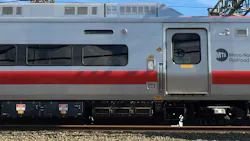
The Connecticut Department of Transportation (CTDOT) published the Connecticut 2055 Long-Range Transportation Plan, a roadmap for the future of the transportation system in the state. Serving as a strategic blueprint, the agency says the plan highlights the goals, performance measures, policies and investments needed for the state’s transportation system over the next 30 years.
Throughout the long-range transportation planning process, CTDOT notes that it conducted extensive public and stakeholder engagement. CTDOT says it used this feedback to refine the plan, validate the state’s transportation need and inform the actions and funding priorities for implementation.
“Connecticut 2055 is a forward-thinking plan that will drive economic growth, connect our communities and improve lives through an integrated multimodal transportation system,” said CTDOT Commissioner Garrett Eucalitto. “The final plan reflects years of collaboration with residents, stakeholders and partners across the state and positions Connecticut to meet the transportation needs of today and opportunities of the future.”
Connecticut 2055 developed five goals:
- Safety for all users: Provide a modern, reliable and accessible transportation system where every person can travel safely, with the goal of eliminating serious injuries and fatalities.
- Connected communities: Connecticut residents and visitors will experience a multimodal transportation network that connects them to where they need and want to go, fostering prosperity and improving lives.
- Innovative future: People in Connecticut will benefit from the adoption of emerging technology.
- Resilient and sustainable infrastructure: People in Connecticut will benefit from a transportation network that is resilient and sustainable through planning, design, construction and operations.
- Vibrant economy: Connecticut communities will thrive with the seamless movement of people and goods, creating greater opportunities and fostering growth.
As part of the plan, the department released the challenges it faces and the opportunities it seeks to take for public transit during the plan.
Public transportation challenges include:
- Aging rail infrastructure: CTDOT is facing aging tracks, signaling equipment and facilities that it says reduce safety.
- Outdated vehicles: The department notes that many of its buses and rail cars are operating beyond their useful life, potentially contributing to service disruptions.
- Service gaps: CTDOT notes that riders currently experience delays from longer off-peak frequencies, small coverage areas and uneven reliability.
- Uncertain future funding: CTDOT notes that a lack of committed funding sources, combined with rising operational costs, threaten its long-term service capabilities.
Public transportation opportunities CTDOT aims to take include:
- Enhancing the rail network: Adding and enhancing infrastructure, commuter parking, stations and services to address gaps and improve service.
- Strategic asset management: CTDOT notes that it aims to develop a long-term strategy for replacing, preserving and maintaining assets in an effort to extend their lifespans.
- Boost system performance: CTDOT aims to improve reliability, safety and overall functionality to deliver a consistent service.
- Adapting to new technology: The department seeks to implement tools like an integrated fare collection system to improve the rider experience.
- Transitioning to an electric bus fleet: The department notes it aims to shift to electric buses to reduce emission, lower costs and support climate-related goals.
CTDOT notes that it updates its long-range transportation plan regularly to reflect changing transportation needs, travel trends, community desires, emerging traffic management methods and the evolving availability of financial resources. CTDOT notes that it has developed a set of strategies to meet Connecticut 2055’s vision and lay the foundation for achieving CTDOT’s long-term objectives.
About the Author
 Noah Kolenda
Noah Kolenda
Associate Editor
Noah Kolenda is a recent graduate from the Craig Newmark Graduate School of Journalism with a master’s degree in health and science reporting. Kolenda also specialized in data journalism, harnessing the power of Open Data projects to cover green transportation in major U.S. cities. Currently, he is an associate editor for Mass Transit magazine, where he aims to fuse his skills in data reporting with his experience covering national policymaking and political money to deliver engaging, future-focused transit content.
Prior to his position with Mass Transit, Kolenda interned with multiple Washington, D.C.-based publications, where he delivered data-driven reporting on once-in-a-generation political moments, runaway corporate lobbying spending and unnoticed election records.