Colorado Gov. Polis signs legislation to modernize Denver RTD Board, governance
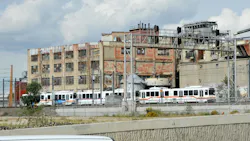
Colorado Gov. Jared Polis signed legislation that seeks to improve the management of the Denver Regional Transportation District (Denver RTD). Senate Bill (SB) 26-150, RTD Reform, is an effort to modernize Denver RTD’s structure to represent more Coloradans across the metro area and expand transit lines. The bill was sponsored by Sens. Matt Ball (D-31) and Iman Jodeh (D-29) and Reps. Meg Froelich (D-3) and Jamie Jackson (D-41).
“Coloradans deserve affordable, reliable, convenient transportation to get where we want to go and that starts with more efficiency, accountability and transparency, especially in our largest metro area,” Gov. Polis said. “This new law will modernize [Denver] RTD and deliver stronger and better transportation options that save people money and get Coloradans where we want to go. I appreciate the hard work of the bill sponsors and the countless advocates and community members who have worked to get this done and make [Denver] RTD better."
SB 26-150 makes changes to the Denver RTD Board to create a governing board that is more functional and well-equipped to develop a world-class transit system, according to the governors office. These changes include:
- Reducing the current 15-member board to nine, bringing it in line with the majority of transit boards in the country.
- Preserving five seats up for election, ensuring that the majority of the board remains democratically elected.
- Making the remaining four seats at-large appointments by the governor and confirmed by the Senate, ensuring that the board will have expertise in finance, land use, transportation planning, disproportionately impacted communities and/or labor.
- Requiring one of the board members to be appointed in consultation with the Denver Regional Council of Governments and at least one board member to be an Amalgamated Transit Union member, guaranteeing that the voices of local governments and labor are represented.
- Raising board and chairperson salaries to attract high-quality candidates.
- Increasing efficiency and clarity for the board by requiring that specific authorities and responsibilities be set for each board member.
“Millions of Coloradans live on the Front Range, and yet, they are stuck with a transit system that is severely underdeveloped compared to similar districts in other cities,” Ball said. “This critical legislation will help Coloradans to have cleaner and more effective transit options.”
New Denver RTD districts will be drawn in advance of the 2028 election, creating an entirely new board by Jan. 1, 2029, with plans in place to achieve staggered turnover of the board starting in 2031. Current board members and those elected in the 2026 election will continue to serve until the 2028 election. The law also requires a review of the new Denver RTD Board structure after 15 years, ensuring analysis of the new structure that will monitor its effectiveness over time, including representation, ridership and financial performance.
Additionally, SB 26-150 requires that Denver RTD commission a study and adopt a plan for implementing improved paratransit services by Dec. 31, 2027. The legislation states the study must include a needs assessment and analysis of current service for riders with disabilities, an assessment of barriers faced by paratransit riders and measurable performance metrics to measure progress.
“This law is about providing a strong transit system for all parts of the Denver metro area for workers, youth, seniors and people with disabilities,” Froelich said. “[Denver] RTD has unfortunately not been able to bounce back since the pandemic the way that other transit agencies around the country have, and it is clear that change is needed to deliver reliable transit for Coloradans. Thanks to the work of the [Denver] RTD Accountability Committee, we are reimagining the Denver Metro Area’s transit system to provide transit that hardworking people can depend on.”
The Denver RTD Accountability Committee was created by SB 25-161. After studying Denver RTD’s structure and the challenges the agency faces, the committee delivered its recommendations to the General Assembly earlier this year.
"A robust and highly functioning [Denver] RTD is an essential element to achieving a strong, viable and accessible metropolitan area. This is an important step to achieve that goal on behalf of all the taxpayers of the district and its current and would-be riders. There is work to be done but this act will give us critical tools to ensure [Denver] RTD's success," said Denver RTD Accountability Committee Chair Maria Garcia Berry.