Connect Bay Area Campaign launches new study to chart new reliability path for area transit
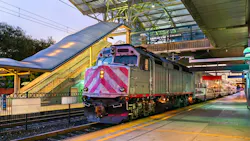
A body of independent transit experts in the Bay Area voted to adopt a new state-mandated, independent study that will chart a path to improve the reliability and operations of Bay Area transit.
The new Financial Efficiency Review—developed by the Metropolitan Transportation Commission (MTC) and overseen by an independent oversight committee made up of transit experts—evaluated four major transit operators in the Bay Area: Alameda-Contra Costa Transit District (AC Transit), Bay Area Rapid Transit (BART), Caltrain and San Francisco Municipal Transportation Agency’s (SFMTA) Muni.
The council notes that the review identifies near-term actions that major Bay Area transit operators must make to improve cost-savings and service. The review also identifies cost saving measures the agencies have already made to address fiscal uncertainty and make their systems safer and more efficient—more than $1 billion in savings.
The council says the review is a key component of Senate Bill (SB) 63, which established a new regional framework to address the Bay Area’s transit funding crisis, including authorizing a potential multi-county transportation sales tax measure for the November 2026 ballot. The Connect Bay Area Campaign is currently gathering signatures across five counties to qualify that regional funding measure.
All agencies must adopt plans by July to show how they will advance improvements in how public transit systems operate, with tighter fiscal controls, more accountability for delivering results and making their systems more efficient and convenient. If Connect Bay Area passes in November, there will be a second round of efficiency measures required after further review.
“These findings highlight how important it is that we stay focused on making these systems operate more efficiently and cost-effectively,” said Bay Area Council President and CEO Libby Schaaf. “Efficiency measures alone won’t solve the longer-term fiscal challenges our transit systems are facing. We urge transit agencies to quickly implement these strategies to bring down costs while delivering the best possible service for riders."
Required near-term improvements
The MTC report identifies numerous potential short-term strategies to help manage near-term deficits. Transit operators are required to adopt plans by July that show how they intended to advance them.
These include dozens of actions in areas like:
- Increasing fare compliance and revenues
- Reducing overtime and improving operator attendance
- Working with the state to evaluate transition to zero-emission vehicles
- Monetizing assets like stations and exploring new retail partnerships
These are an initial set of actions that have short term horizons for implementation, according to the council. SB 63 requires a second review if a regional funding transit funding measure—Connect Bay Area—passes in November.
Operational improvements and cost savings
The council says the report confirms that agencies have taken significant steps to reduce costs, streamline operations and adapt to post-pandemic ridership changes.
Between 2020 and 2025, agencies have implemented a range of cost-saving strategies, including service adjustments, workforce controls and operational efficiencies:
- BART reduced operating costs by $516 million
- SFMTA achieved nearly $300 million in savings
- AC Transit delivered approximately $200 million in reductions
- Caltrain realized more than $76 million in savings
Collectively, these efforts exceed $1 billion in operating savings, alongside deferred or scaled-back capital investments.
Both efficiency improvements and sustainable funding needed
Despite these improvements, the council notes that all four agencies are facing major service cuts without a long-term sustainable funding, including:
- BART: Close up to 15 stations, shut down two lines and cut train service by 70%.
- Caltrain: Trains would run only once per hour, end service by 9:00 p.m. on weekdays and eliminate all weekend service.
- Muni: Cut services by at least 30%, cancel at least 20 bus routes and end regular evening service.
- AC Transit: Would reduce service by 17%.
The council notes that the findings underscore a central premise of the Connect Bay Area campaign: without new, voter-approved funding, transit agencies face continued structural financial challenges, even after significant internal reforms.
The campaign aims to secure sustainable funding to protect and improve transit service for millions of Bay Area residents.