HRT launches interactive map to tell story of transit
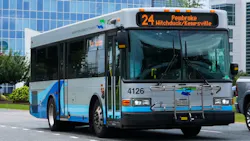
Hampton Roads Transit (HRT) has launched a new interactive web map that tells the story of the transit agency. Sustaining the Future of Transit, a visual, interactive website, combines multimedia content and text to acclimate riders to HRT, teach the history of transit in Hampton Roads, offer insights into HRT’s economic impact and the challenges the agency is facing and opportunities it can capitalize on, along with ways residents can support transit.
Site visitors will find dynamic, interactive maps that highlight routes, points of interest, employment clusters, population density and more. The website includes messages from local leaders in industries that rely on transit for workforce development, such as Naval Station Norfolk, Sentara and the hospitality industry. Additionally, the story map shares ways to support long-term and sustainable funding for public transportation.
HRT notes that the interactive tool was created in partnership with WSP USA Inc. and supports HRT initiatives to address long-term and sustainable funding for public transportation in Hampton Roads, including efforts such as the System Optimization Plan that’s aimed to drive efficiency and reduce costs.
Like many public transportation agencies in the country, HRT notes that it has faced several challenges in the years following the COVID-19 pandemic. While slowly growing, the agency notes that ridership is still below pre-pandemic levels given shifting commuting habits and people working from home at least some of the time. At the same time, the operational and capital costs of service have increased with rising inflation at a time while the agency says state and federal funding is stagnant or even decreasing.
In response, the agency notes this year the Virginia General Assembly adopted HJ28, a bill to create a 13-member joint subcommittee to carry out a two-year study on options that provide long-term, sustainable and dedicated operations and capital funding with cost-containment controls to ensure that all HRT services are developed to meet the growing public transit needs of the region.