TransLink unveils Burrard Peninsula Area Transport Plan to improve regional transit over 15 years
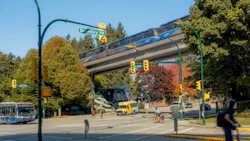
TransLink has unveiled its Burrard Peninsula Area Transport Plan, giving recommended transit improvements across Vancouver, Burnaby, and New Westminster, B.C., as well as UBC and the University Endowment Lands, which are part of Electoral Area A.
The Burrard Peninsula study area also lies within the traditional and unceded territories of several First Nations, including Kwikwetlem First Nation, Kwantlen First Nation, Musqueam, Squamish Nation, Tsleil-Waututh Nation and Qayqayt First Nation.
TransLink notes that the plan focuses on improving bus service, supporting active transportation and strengthening goods movement across the Burrard Peninsula over the next 15 years.
“The Burrard Peninsula Area Transport Plan brings us closer to achieving the future that we envision through Transport 2050, where every person in Metro Vancouver can easily connect to the people, places and opportunities that they need to thrive,” said TransLink CEO Kevin Quinn. “Our partners, customers and the public have told us what they want to see TransLink prioritizing in the future and now it’s our turn to deliver on these improvements.”
The Burrard Peninsula Area Transport Plan was developed though two phases of public engagement with customers, and collaboration with local, regional and provincial partners, community stakeholders and First Nations. The agency notes that the new plan will serve as a blueprint to help guide future investments and transit improvements, grounded by technical analysis and public engagement.
Highlights of recommended actions include:
- Improving the bus network through 59 recommended route changes, supporting growing travel demand and integrating service with the upcoming Broadway Subway.
- Adding new bus routes, including a route around Stanley Park that has already been funded through the 2025 Investment Plan.
- Making transit easier to use, safer and more comfortable.
- Improving bus speed and reliability through transit priority improvements on congested corridors.
- Expanding the major bike network to make cycling a more convenient option for local trips and accessing transit.
- Improving access to SkyTrain stations and bus exchanges through better active transportation connections.
- Supporting a safer and more reliable goods movement network, prioritizing the safety of vulnerable road users.
- Working with local, regional and provincial partners to reduce emissions resulting from goods movement.
This multi-year plan is designed to be implemented in phases. Some smaller improvements, such as minor bus route adjustments, may be introduced through TransLink’s regular quarterly service changes. Larger initiatives, including new routes or major infrastructure improvements, according to the agency, will require funding through future investment plans.