Sound Transit releases 2026-2030 Sustainability Plan
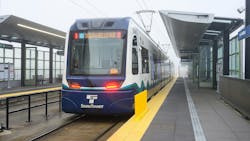
The Sound Transit Board has voted to adopt the agency’s 2026–2030 Sustainability Plan, setting what it calls measurable climate, community impact and operational reliability goals that guide the system’s growth through the next half decade and beyond.
The new plan outlines how the agency intends to integrate sustainability into planning, designing, building and operating a growing regional system that connects the region to where people live, work and play. The adopted motion sunsets the purchase of fossil fuel-powered revenue vehicles and equipment by 2030, pushing forward the agency’s plans for fleet electrification and reducing emissions across operations.
“The 2026–2030 Sustainability Plan—implemented through our nationally and internationally recognized sustainability program—reflects that vision by defining how we embed sustainability into every aspect of our work as we design, construct and operate our regional transit system,” said Sound Transit CEO Dow Constantine in a letter introducing the plan. “As our system grows to connect more people, it is also shaping how people live, work and move around the region, and our 2026–2030 Sustainability Plan ensures we will support that progress for generations to come.”
The new plan establishes objectives and implementation strategies in the following areas:
- Advancing equity
- Expanding civil rights, equity and inclusion trainings for employees, increasing fare affordability and access and providing support and resources for small and disadvantaged businesses.
- Building sustainable infrastructure and operating resiliently
- Building agency resilience to climate change and other natural hazards, ensuring safe and reliable service during power outages and reducing the environmental impacts and greenhouse gas emissions associated with material use and construction.
- Continuously improving agency governance and business practices
- Attracting, developing and retaining talented employees and contractors, improving safety compliance and reducing the environmental impacts of agency procurements and strengthening the agency’s sustainability funding portfolio to support long-term goals.
- Growing ridership and strengthening communities
- Advancing community development, strengthening and formalizing community engagement vision and priorities and expanding multimodal access to Sound Transit stations.
- Protecting and restoring the environment
- Protecting native habitats and wildlife, reducing environmental impacts from agency facilities and minimizing surface water impacts on agency-owned and maintained properties.
- Reducing air pollution and greenhouse gas emissions
- Reducing emissions across operations, transitioning key fleets to zero-emission technologies by 2030 and achieving zero-emission fleets and facilities by 2050.
Sound Transit says this plan establishes clear, time-bound and enforceable climate goals and embeds sustainability across every stage of its project delivery and operations. The agency also notes that the plan advances decarbonization by committing the agency to greenhouse gas neutrality for rail and facilities by 2030 and zero-emission operations by 2050 while grounding fleet and infrastructure decisions in cost, reliability and service performance.
Implementation of the plan will be overseen by agency leadership and tracked through annual reporting to the board, according to the agency. Clear performance metrics will measure progress towards agency targets while ensuring transparency for riders and regional partners. By linking climate action with equity, workforce development and community resilience, Sound Transit says the plan reinforces clean, reliable transit as a regional priority.