TriMet’s ‘Clean Team’ program breaks records in 2025
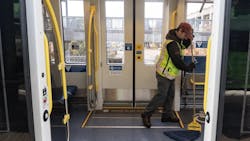
TriMet has broken records with its efforts in its Clean Team program, noting its commitment to a clean and safe transit environment is proven through its numbers.
The agency says that crews have exceeded 2024’s cleaning pace, with efforts approaching historic levels in 2025. So far this year, TriMet facilities management crews have cleaned the system more than 100,000 times this year. This includes responding to rider reports—trash on a platform, for example—to addressing spills before they become hazards, pressure-washing platforms to maintain safety and cleaning MAX trains throughout the day at the end of the line.
TriMet says this enhanced presence isn’t just about cleanliness. It’s a broader approach to improving rider comfort and public safety. The agency says that cleaning crews provide extra eyes on the system to help spaces feel safer, look better and feel inviting for riders.
“We’re focusing more on detail work. Everything looks better now than in the entire five years I’ve worked for TriMet,” said TriMet Service Aide Matthew Sunshine. “We are here for the riders. We serve them, and they are our primary concern.”
Cleaning highlights for 2025 include:
- Track cleaning: 5,594 times
- Pressure washing: 3,802 times
- End-of-line vehicle cleaning: 42,567 times
- Overall daytime cleaning for all categories: More than 110,000 times
Overnight fleet readiness
While facilities management cleaners keep the system clean during the day, other TriMet workers handle the cleaning overnight. TriMet’s fleet readiness crews work from 5:00 p.m. to the early morning hours at bus and MAX facilities to ensure their cleanliness and readiness for the following day’s service.
Each night, crews prepare 555 buses and 149 MAX light-rail vehicles for service. This overnight work includes:
- Clean sweeps: Service workers clear debris, flip ADA seats and remove trash. For buses, they prepare vehicles for the Cyclone, a powerful vacuum system that pulls fine debris. They also mop floors, wipe surfaces, clean windows and give dashboards and operator safety panels a shine.
- Washing up: Buses are then moved through a wash rack, like a car wash but more powerful. For MAX trains, washing is a more intensive process. They roll through their wash bay about once a week.
- Deep cleaning: Every few weeks, vehicles undergo a top-to-bottom scrubbing. Interior cleaners spend up to three hours per vehicle, disinfecting seats, polishing steel, cleaning window frames and reaching nooks most riders will never see.
Cleanliness and safety
When cleaning crews are out in force, TriMet says they’re reinforcing safety through their presence. The agency further notes that clean spaces discourage vandalism, increase visibility and contribute to stronger safety outcomes; core priorities for TriMet’s public safety teams and its Transit Police Division.
With initiatives like blue-light security phones and the Security Operations Center adding to overall efforts like the cleaning initiatives, TriMet is aiming for a wholistic approach to safety on its service. Cleaning plays a significant role. TriMet asks riders that see a cleanliness issue — trash, graffiti, spills or anything else — to let them know via text or call and crews will address from there.