Montebello Bus Lines introduces first hydrogen fuel cell electric buses
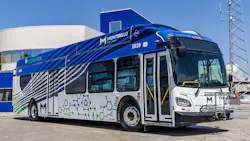
Montebello Bus Lines (MBL) has introduced its first hydrogen fuel cell electric buses (FCEBs), marking the beginning of MBL’s long-term plan to convert its entire 66-bus fleet to zero-emission.
“Montebello Bus Lines has long been committed to providing safe, reliable and innovative transportation services for our community,” said Montebello City Manager Raul Alvarez. “The introduction of our first hydrogen fuel cell electric buses represents a significant investment in the future of public transit and environmental sustainability. This transition will help improve air quality, reduce emissions and ensure that our riders continue to receive dependable service for years to come.”
MBL operates eight fixed-route lines, along with commuter and paratransit services, providing nearly three million rides annually across the city of Montebello, Calif., and 14 surrounding cities. The agency’s new hydrogen buses are set to operate across the entire service network and run complete shifts without needing to refuel, keeping service consistent and reliable for riders throughout the day.
“As a city, we are proud to lead by example in advancing clean transportation solutions that benefit both current and future generations,” said Montebello Mayor Georgina Tamayo. “These hydrogen-powered buses reflect Montebello’s commitment to sustainability, public health and regional mobility. We are excited to bring this cutting-edge technology to our residents and visitors while helping build a cleaner, greener future for our community.”
MBL notes each FCEB avoids approximately 52 tons of carbon dioxide emissions each year. As part of the rollout. The transition will include:
- Three hydrogen FCEBs
- A temporary hydrogen fueling station
- A permanent hydrogen fueling station
- Upgrades to maintenance facilities
The city says FCEBs can travel 300 miles or more on a single fill, allowing them to complete long routes without interruption, and that refueling an FCEB takes 10 to 15 minutes, which is comparable to a conventional diesel or compressed natural gas bus and significantly faster than the hours required to charge a battery-electric bus. Due to their range and refueling speed, the city says FCEBs can directly replace diesel buses without requiring changes to routes or schedules.
The transition is being funded by the Federal Transit Administration’s Urbanized Area Formula Program, which provides federal resources for transit capital, operating assistance and transportation planning in urbanized areas. Technical support and project management are being provided by the Center for Transportation and the Environment, which will provide vehicle and infrastructure procurement and deployment planning support along with overall program management services to help ensure a smooth transition to hydrogen operations.
About the Author
 Brandon Lewis
Brandon Lewis
Associate Editor
Brandon Lewis is a recent graduate of Kent State University with a bachelor’s degree in journalism. Lewis is a former freelance editorial assistant at Vehicle Service Pros in Endeavor Business Media’s Vehicle Repair Group. Lewis brings his knowledge of web managing, copyediting and SEO practices to Mass Transit magazine as an associate editor. He is also a co-host of the Infrastructure Technology Podcast.