Cincinnati Metro begins upgrade of 3,700 signs across Hamilton County
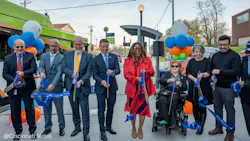
Cincinnati Metro has unveiled its redesigned bus stop signs, an effort that will see 3,700 signs replaced across Hamilton County, Ohio, over the next 24 months. The agency says the project modernizes an aging signage system and represents an investment in improving the rider experience as part of its Reinventing Metro plan.
In addition to input from agency operators and riders, Cincinnati Metro notes that it collaborated with design students and faculty from the University of Cincinnati’s College of Design, Architecture, Art and Planning (DAAP) to create a new look and improve the functionality of the new signage. The agency says the new design offers information that is easier to read from a distance and consistent across all locations.
The new design features larger, more legible route numbers, a simplified information layout and more color contrast and reflective materials for enhanced visibility both at night and during the day. Each sign also hosts a QR code that connects riders directly to bus schedules and trip planning tools.
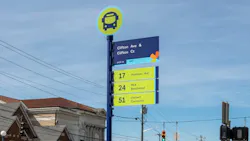
At key stops, Cincinnati Metro notes that it will also install digital signage providing real-time information on upcoming service, giving riders greater confidence in trip timing and connections.
“These new signs represent a major step forward in how we communicate with our riders,” said Cincinnati Metro Chief Communications and Marketing Officer Brandy Jones. “They’re designed to be clear, visible and easy to understand, making it simpler for people to navigate our system with confidence. Projects like this are made possible through strong partnerships and collaboration across local, federal and community organizations committed to building a better transit system for everyone.”
The new signage was funded in part by federal transportation dollars. Cincinnati Metro says the project goes beyond new signage to include the installation of 400 new benches and 200 new shelters across Hamilton County. The agency notes these improvements are designed to make waiting for the bus more comfortable, safe and convenient while creating a more consistent, accessible and rider-focused experience across the entire transit system.