SEPTA to pilot e-paper real-time arrival displays at select bus stops
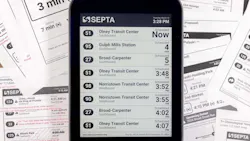
The Southeastern Pennsylvania Transportation Authority (SEPTA) is introducing a digital real-time arrival display pilot program at select bus and trolley stops throughout the system. The first 10 devices will be installed later this spring.
Using solar-power and use e-paper technology, the new display offerings are unique because they are small enough to be mounted on a bus stop sign pole.
SEPTA is trailing the displays as many of the 20,000 riders who participated in the agency’s community engagement efforts for SEPTA’s New Bus Network initiative cited the technology as a top priority.
“Our customers have made it clear that they want better access to real-time information, and we are listening,” said SEPTA General Manager Scott Sauer. “This program is about putting the tools our riders need right where they need them—whether they are a daily commuter or a first-time visitor to our region.”
The pilot comes just ahead of an anticipated surge in visitors expected this summer when Philadelphia hosts FIFA World Cup matches, the MLB All-Star Game and America’s 250th birthday celebration.
Pilot locations will be selected based on two criteria:
- Overall customer impact and geographic equity, ensuring that the benefits of improved real-time information reach riders across all parts of SEPTA’s service area.
- Bus stops, as well as T, G, D and M Metro stations, will be considered for device locations.
“We are committed to leveraging state-of-the-art, secure technology to modernize the rider experience,” said SEPTA Assistant General Manager of Information Technology Elisa Cunningham. “We will evaluate the results of the pilot to determine future phases of deployment across the network.”
The agency says the e-paper displays are both accessible and sustainable. The solar-powered devices do not require any equipment beyond a mounting pole, which allows for installation at many bus stops that lack access to power or other infrastructure. Each device is equipped with a text-to-speech button, enabling blind and low-vision riders to access the same real-time service information.
“Every improvement we make to our network starts with listening to our riders,” said SEPTA Chief Officer of Customer Experience and Communications Administration Lex Powers. “This program is one more way that SEPTA is investing in the people who depend on us – today and into the future.”
Riders are encouraged to share feedback with the agency about where they would like to see these devices installed.